This research investigates whether replacing meat with fish could improve nutrition while supporting more sustainable diets. Modelling UK and Irish dietary data found that replacing even 25% of meat increased intake of key nutrients, including vitamin D, omega-3, selenium, and iodine, suggesting simple dietary swaps could benefit health and sustainability.
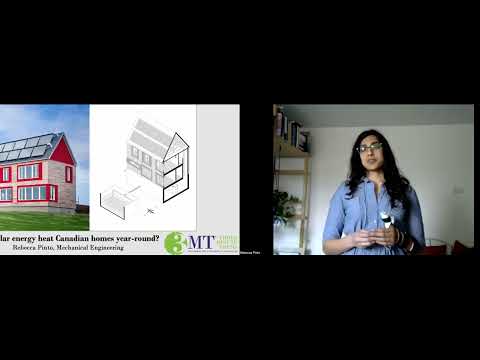
This research explores using solar energy to heat Canadian homes year-round by storing summer heat for winter use. A novel system uses a sand-based thermal battery beneath a house to retain heat. The work aims to reduce fossil fuel dependence and cut emissions from residential heating, a major contributor to Canada’s greenhouse gases.
2025
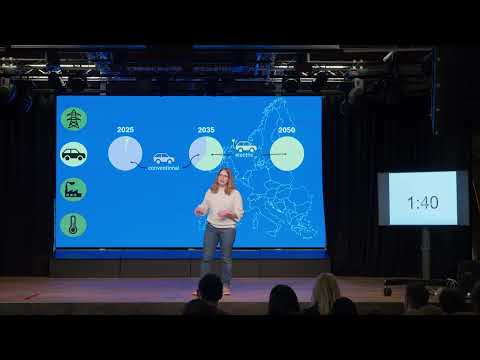
Using a European energy system model, this research compares pathways to climate neutrality by 2050. Focusing on land transport, it shows that electric vehicles are already the cheapest system-wide option, even without emission limits. Early investment in electric car infrastructure accelerates decarbonization and reduces long-term costs across Europe.
2018
This research develops flexible, bird-inspired aircraft wings that can smoothly change shape during flight. By combining stiff carbon-fibre structures with elastic outer skins, these wings reduce drag, fuel consumption, and noise. With aviation’s emissions projected to rise sharply, such morphing-wing technology could make future flights cleaner, quieter, and potentially cheaper.