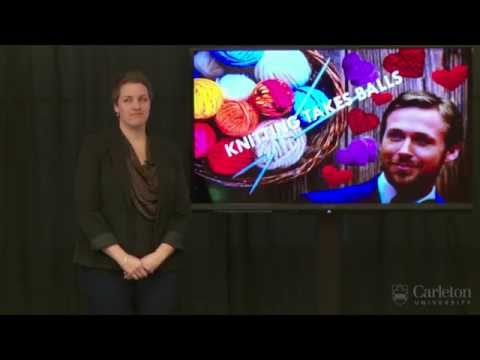
This research explores how knitting reshapes contemporary masculinity. Interviews with male knitters reveal more flexible, inclusive identities that challenge traditional norms. Participants describe increased emotional openness, acceptance, and alternative expressions of care. The study highlights how everyday practices like knitting can transform gender expectations and broaden definitions of masculinity.


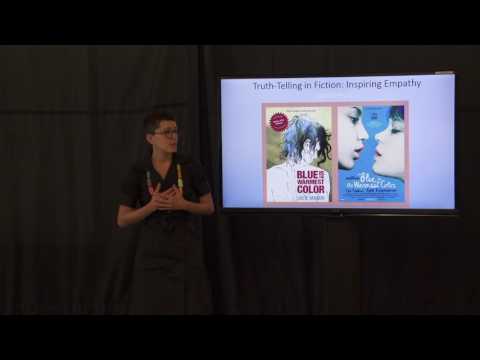
This research examines truth in the age of “post-truth,” linking ancient concepts of parrhesia to modern storytelling. Using Blue Is the Warmest Color, it shows how fiction fosters empathy and challenges power structures. The work argues that literature remains a vital force for social change, justice, and understanding marginalized experiences.

This thesis uses theatrical horror to confront the “superwoman schema” that discourages Black women from seeking mental health care. By breaking theatrical contracts to induce unpredictability and empathy, the work mirrors the societal rupture Black women face when pursuing therapy, motivating audiences toward understanding and systemic change.

This research examines how Zambian women engage with a feminist Facebook page to challenge patriarchy online while navigating stigma offline. It reveals strategic identity negotiation, the use of social media for activism, and the difficulties of feminist expression in a conservative society, highlighting how digital spaces enable resistance despite offline constraints.