This dissertation reinterprets the French Revolution through the lens of care ethics, analysing the writings of Mary Wollstonecraft and Sophie de Grouchy. The research argues that these thinkers anticipated modern theories of care, interdependence, and gender equality, offering early proto-feminist visions of social institutions grounded in community and mutual responsibility.
This research explores the philosophical foundations of particle physics and the Standard Model. Focusing on neutrinos, it argues that these particles may be better understood as different states of a single entity rather than separate objects. The project aims to develop a deeper ontology describing the fundamental structure of physical reality.
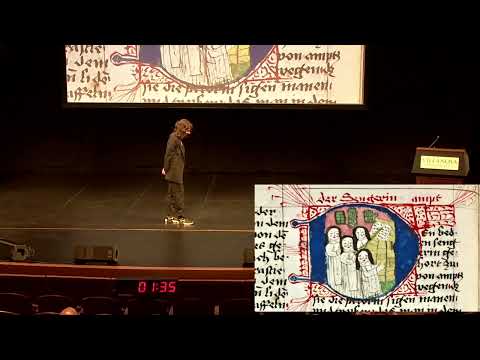
This research analyzes medieval letters between Heinrich Seuse and Margaret Ebner to explore alternative models of personhood. Through communal reading practices, Margaret is celebrated as complex and indeterminate. The study challenges rigid Western identity norms, highlighting a theological tradition that embraces ambiguity and values personhood beyond fixed categories and binaries.
This research explores the nature of human identity through philosophical traditions from Socrates to Kant and Adorno. It proposes “dialectical humanism,” arguing that humans are defined by unresolved tensions between instinct and reason. Rather than resolving contradictions, the work suggests that embracing these dualities is essential to understanding what it means to be human.
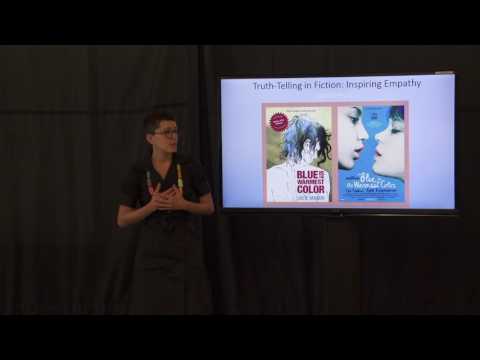
This research examines truth in the age of “post-truth,” linking ancient concepts of parrhesia to modern storytelling. Using Blue Is the Warmest Color, it shows how fiction fosters empathy and challenges power structures. The work argues that literature remains a vital force for social change, justice, and understanding marginalized experiences.