This oral history project explores how Nigerian secondary schools shape political identity, civic engagement, and national belonging across generations. Through interviews and documentary storytelling, the research reveals that schools function as microcosms of the nation, forming students’ relationships to society, politics, and migration in ways that continue long after graduation.
2026
Career paths and life patterns are often transmitted across generations not through explicit instruction but through embodied habits and daily behaviors. Analyzing a play about intergenerational military service, this research shows how subconscious routines shape identity, highlighting how recognizing these patterns allows individuals to consciously break cycles or build new legacies.

This research explores how knitting reshapes contemporary masculinity. Interviews with male knitters reveal more flexible, inclusive identities that challenge traditional norms. Participants describe increased emotional openness, acceptance, and alternative expressions of care. The study highlights how everyday practices like knitting can transform gender expectations and broaden definitions of masculinity.
2025
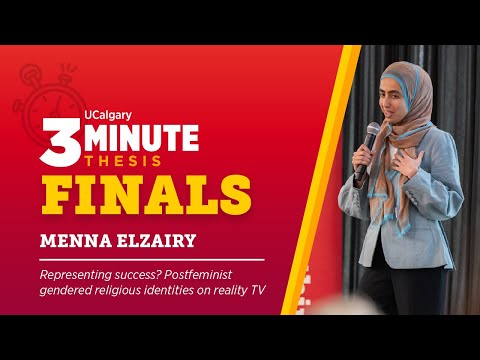
This feminist cultural studies project analyses reality television narratives linking women’s empowerment to entrepreneurship and the abandonment of religion. Through discourse analysis of multiple reality shows, the research argues that empowerment is framed as individual transformation rather than collective change, reinforcing capitalist ideals while portraying religious identities as incompatible with female success.