
This research investigates the diversity and behaviour of zooplankton around Rangitāhua, Aotearoa New Zealand. By combining microscopy and underwater acoustics, it identifies species and tracks their daily vertical migrations. The findings will improve understanding of marine ecosystems, climate change impacts, and support Ngāti Kuri's stewardship of this culturally significant region.

2026
This research investigates phosphorus pollution in Lake Warner by comparing water movement and phosphorus transport through urban and forested landscapes. Forests naturally filter phosphorus due to slower water travel and greater infiltration, while urban runoff accelerates pollution. The study identifies how interventions such as rain gardens can reduce phosphorus loading into lakes.
2025
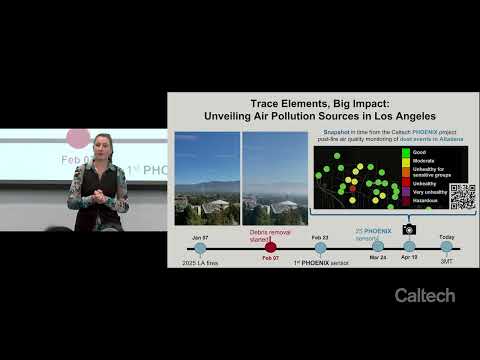
This research investigates atmospheric trace elements as indicators of pollution sources, focusing on toxic metal emissions from urban firestorms during the Eaton Canyon and Palisades fires. Elevated airborne lead concentrations prompted the creation of Phoenix, a community-based post-fire air monitoring network designed to track hazardous dust resuspension during debris cleanup.
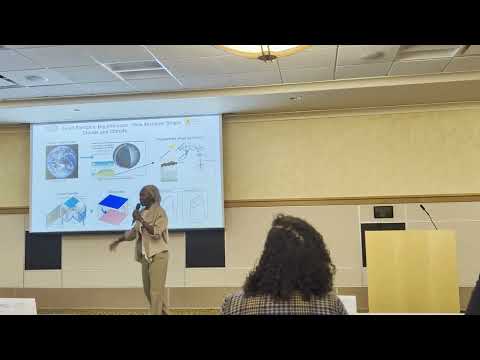
This research examines how atmospheric aerosols influence cloud formation and rainfall, particularly under turbulent conditions. Using a laboratory cloud chamber and computer modeling, the study investigates how particle size and concentration affect droplet growth. The findings aim to improve climate models and weather forecasting in both polluted and clean environments.