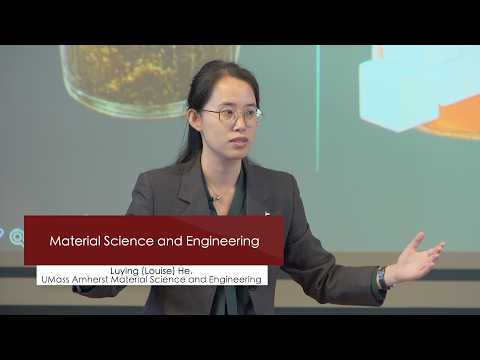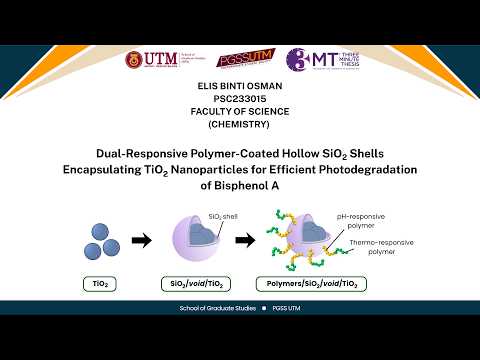
Traces of pharmaceuticals increasingly contaminate water through human use and improper disposal. This research studies advanced oxidation processes—using UV light, ozone, and hydrogen peroxide—to break down these persistent pollutants. Optimizing these treatments helps protect ecosystems and public health by ensuring clean, safe, pharmaceutical-free drinking water.

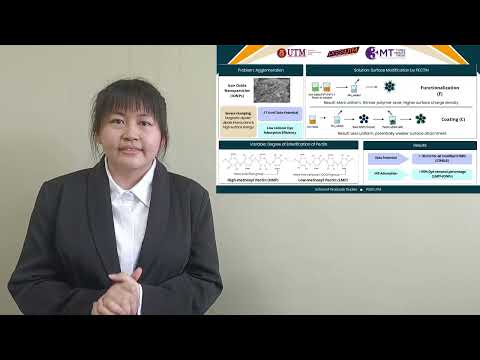
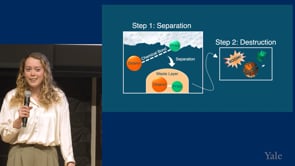
This research presents a simple, low-energy method to remove and destroy PFAS “forever chemicals” from water. By chemically transforming PFAS to behave less like soap, over 98% can be separated and fully degraded, offering a scalable and environmentally friendly solution to widespread drinking water contamination.

Urban farms in Baltimore need reliable irrigation water. This research tested harvested rainwater for E. coli, Listeria, and Salmonella, and evaluated two treatments: sand–iron filtration and peracetic acid sanitizing. Both reduced E. coli, and sanitizing eliminated Listeria. Produce remained contamination-free, suggesting treated rainwater is a viable supplemental irrigation source.

Athabasca tailings ponds contain over 1.2 trillion litres of toxic wastewater that grows daily. Conventional drying is slow and inefficient, so this research team developed a solar-heated cotton-layer device that accelerates evaporation by 400%. Their goal is to reclaim the contaminated land by rapidly reducing tailings volume.

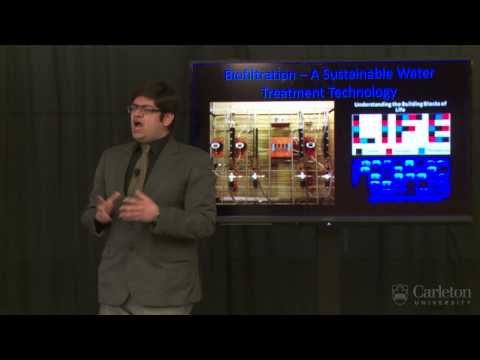
This research examines how microbes in drinking water recover after UV disinfection. By adding nutrients to UV-treated samples and identifying microbes through DNA sequencing, the study tracks which organisms survive, regrow, and thrive over time. The goal is to improve treatment systems and ensure safer, more stable drinking water during distribution.

Athabasca tailings wastewater spans over 1.2 trillion litres, growing daily and damaging ecosystems. Current evaporation methods are slow and costly. This research introduces a simple, low-cost device using cotton towels and solar-heated thin-layer evaporation, increasing evaporation by 400%. The approach could help reclaim contaminated land and restore natural habitats.