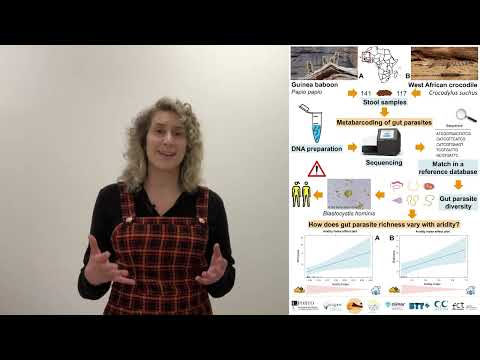
This study examined how intestinal parasite diversity changes with habitat dryness using Guinean baboons and West African crocodiles as models. Through DNA metabarcoding of 258 samples, multiple parasite species—including some zoonotic—were identified. Results showed that parasite richness decreases with increasing aridity, especially in terrestrial hosts, highlighting ecological and public health implications in climate-sensitive regions.
Gray mold in strawberries is increasingly resistant to fungicides due to genetic mutations. This research identifies resistance levels by testing pathogen samples in the lab, allowing growers to choose effective treatments. Ongoing work analyzes resistance trends and integrates DNA tools to optimize spray programs and reduce waste, ensuring healthier harvests.
This research examines how microbes in drinking water recover after UV disinfection. By adding nutrients to UV-treated samples and identifying microbes through DNA sequencing, the study tracks which organisms survive, regrow, and thrive over time. The goal is to improve treatment systems and ensure safer, more stable drinking water during distribution.