The speaker shows that using simple hand gestures helps students make abstract fraction concepts concrete. After analyzing fourth and fifth graders’ problem-solving, they found that gestures representing fraction size predicted higher performance. Gesture-based instruction is free, equitable, and effective across demographic groups, offering a powerful tool to improve math learning.
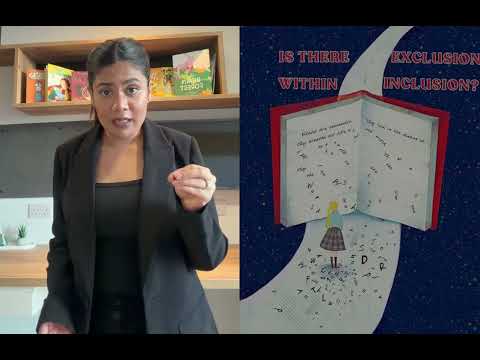
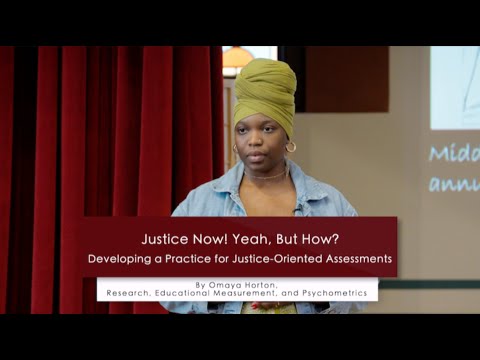
The speaker develops DOLLY, a dynamic, language-neutral reading screener designed to reduce bias against bilingual children. Unlike traditional English-based tests, DOLLY measures how children learn reading skills using novel symbols and teaching prompts. Early results show it more accurately identifies true reading difficulties, ensuring fairer support and resource allocation.
This study examined anxiety in online learning using surveys and qualitative responses. Higher social presence reduced anxiety, while higher teaching presence unexpectedly increased it. Students preferred peer-led groups, frequent low-stakes tests, and clear instructor guidance. The findings suggest practical strategies to design online courses that better support anxious students.