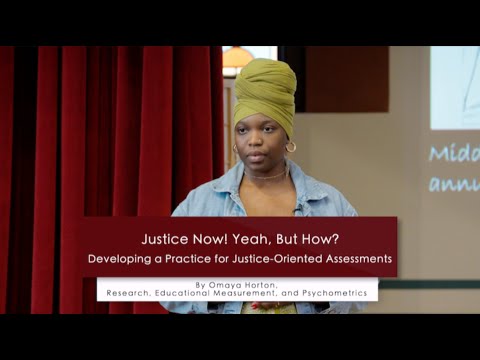
This research examines how educational assessment systems can become more just, inclusive, and culturally relevant. Using participatory action research, it proposes a five-step framework emphasizing community collaboration, anti-racist assessment design, continuous revision, and student-centered approaches that prioritize equity, engagement, identity, and educational justice over standardized measurement alone.
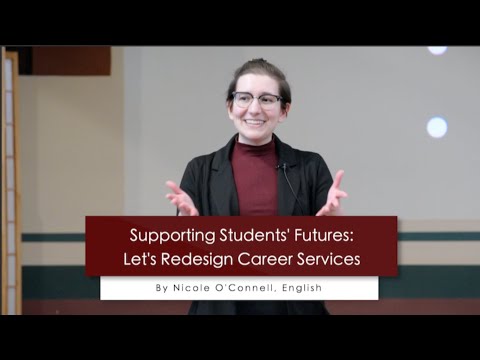
This research examines how universities communicate career advice and support services to students. Through surveys and focus groups at UMass Amherst, the study identifies student needs for less stressful, more inclusive, and more integrated career guidance. The findings inform policy and curriculum improvements aimed at better supporting student futures.
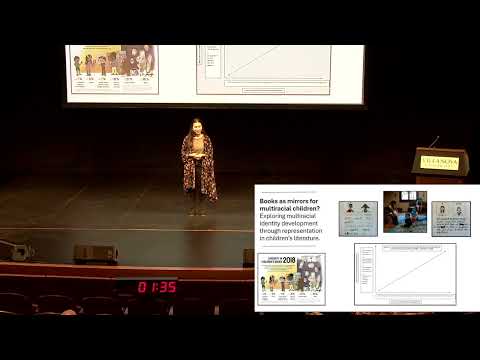
This study examines how multiracial representation in children’s literature influences identity development. Through a library reading program, observational, visual, and narrative data showed that multiracial children engage more deeply and express stronger identity integration when represented. Findings highlight the importance of inclusive storytelling in fostering belonging and supporting healthy racial identity formation.
This talk reframes mathematics as a creative, pattern-based discipline rather than rote calculation. Through research in topology and prison education initiatives, it highlights math’s role in fostering curiosity, resilience, and critical thinking. The speaker argues that mathematical thinking benefits everyone, promoting perseverance and empathy beyond academic or professional contexts.
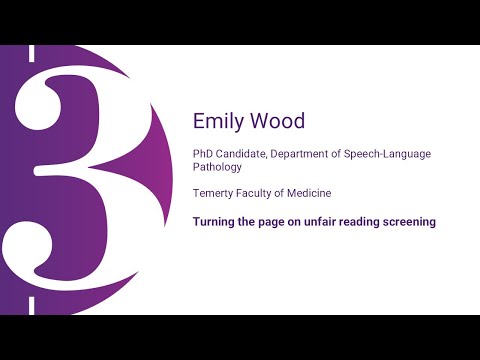
The speaker develops DOLLY, a dynamic, language-neutral reading screener designed to reduce bias against bilingual children. Unlike traditional English-based tests, DOLLY measures how children learn reading skills using novel symbols and teaching prompts. Early results show it more accurately identifies true reading difficulties, ensuring fairer support and resource allocation.
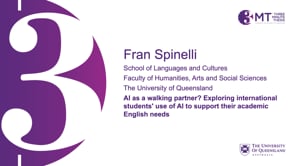
This research explores how over 500 international students use AI tools like ChatGPT while navigating university study in a second or third language. Findings reveal AI can reduce overwhelm and support learning, but also risk undermining confidence and skill development. The study guides universities toward better language support, policy, and pedagogy.