This anthropological research investigates traditional medicinal uses of psilocybin mushrooms in Lesotho. Interviews with local healers revealed treatment practices that differ substantially from Western clinical models, including low-dose administration over extended periods and applications for epilepsy and psychosis. The findings may broaden future directions for psychedelic medicine research.
This research explores how sports fans understand sports-related tattoos as expressions of identity and commitment. Through interviews with tattooed fans, the study reveals that sports tattoos function as permanent, deeply personal symbols of fandom, memory, and values, extending beyond traditional consumer behaviors such as jerseys, merchandise, or attending games.
This research challenges the narrative that Buddhism in US prisons primarily serves rehabilitation. It highlights the active role of incarcerated individuals in shaping religious practice and critiques simplistic contrasts between “prisoner” and “Buddhist.” By emphasizing diversity, community, and structural conditions, it calls for a more nuanced understanding of religion within carceral systems.
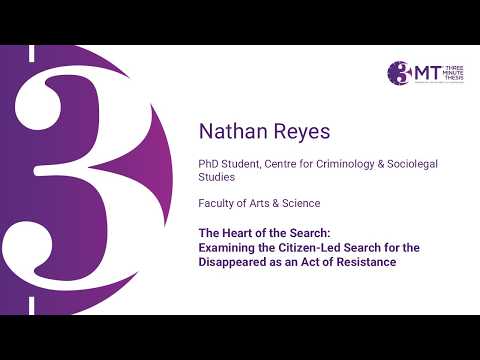
This research examines how families of the disappeared in Colombia and Mexico conduct their own searches when authorities fail. Using ethnography and legal analysis, it highlights their role as investigators and advocates. The work aims to improve policy, challenge marginalisation, and recognise families’ critical role in uncovering truth and justice.
This ethnographic study examines how amateur football empowers women in Argentina and Brazil. Despite historical exclusion, participation helps women challenge gender norms, build confidence, and form supportive communities. Football becomes a pathway to broader social empowerment, offering insights for policies promoting gender equality through increased access to sport.
This research examines football chanting in France beyond censorship, focusing on sound, rhythm, and social connection. Using ethnographic fieldwork and the concept of antiphony, it shows how chanting’s musical structure can reshape relationships, arguing for a reparative approach that engages with fan culture to enable social change.
This research examines the cultural practice of burying umbilical cords in Nigeria’s Middle Belt, a region shaped by conflict and ecological crisis. Unlike Western views that treat the cord as waste, local traditions see land as a living repository of memory and identity, reframing human–land relationships as reciprocal and deeply interconnected.