This ethnographic study examines how amateur football empowers women in Argentina and Brazil. Despite historical exclusion, participation helps women challenge gender norms, build confidence, and form supportive communities. Football becomes a pathway to broader social empowerment, offering insights for policies promoting gender equality through increased access to sport.

This research examines how economic inequality affects children’s trust and generosity. In experimental games, children aged 5–9 who experienced unequal rewards trusted decision-makers less, regardless of whether they benefited. Repeated exposure to unfairness may spread mistrust to others, suggesting that early inequality can shape social attitudes and cooperative behavior.

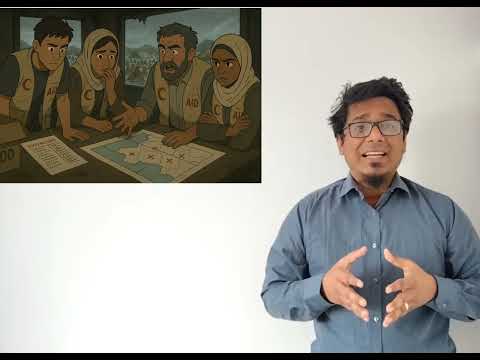
This research examines the ethical dilemmas behind food distribution during disasters, focusing on fairness, power, and decision-making in humanitarian aid. Through interviews in Bangladesh, it aims to develop an ethical framework to guide organisations toward just and transparent food allocation, ensuring aid preserves dignity as well as saving lives.

This research examines how public engagement in science is shaped not just by researchers and audiences, but by institutions, environments, and material objects. By following PhD researchers across Europe, it investigates how engagement practices emerge, why they often remain exclusionary, and how understanding these “actors” can make science communication more inclusive.