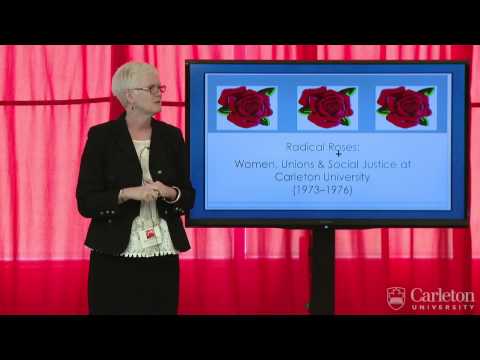
This research reinterprets unionization at Carleton University in the 1970s, showing it was driven not only by economic pressures but by feminist activism. Women leaders used unions to challenge inequality, improve working conditions, and advance social justice, reshaping assumptions about labor movements in professional, white-collar environments.
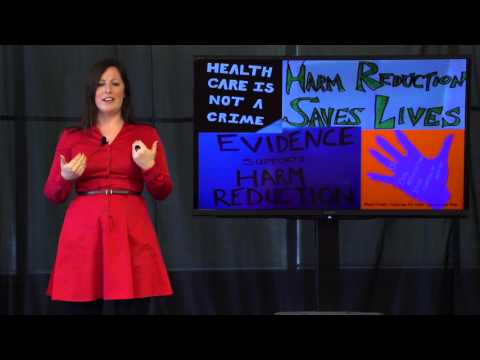
This research examines harm reduction practices and their limitations within systems of prohibition. While designed to support people without judgment, institutional rules and boundaries restrict access. Case studies reveal how these constraints can increase risks, including overdose, highlighting a gap between harm reduction philosophy and real-world implementation.
This research examines how cultural narratives of “monsters” shape legal perceptions of marginalized groups, particularly queer people of color. Using a utopian framework, it proposes equity-based reforms to the criminal justice system, addressing the intersection of race and sexuality and amplifying underrepresented voices in legal scholarship and social justice discourse.
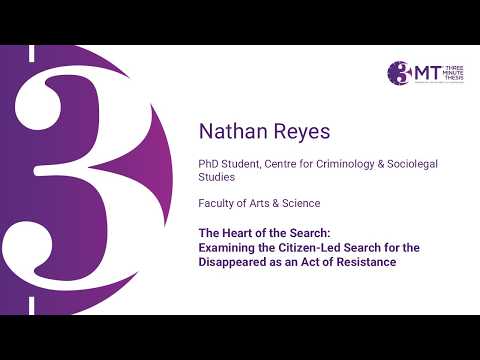
This research examines how families of the disappeared in Colombia and Mexico conduct their own searches when authorities fail. Using ethnography and legal analysis, it highlights their role as investigators and advocates. The work aims to improve policy, challenge marginalisation, and recognise families’ critical role in uncovering truth and justice.
This research examines how economic inequality affects children’s trust and generosity. In experimental games, children aged 5–9 who experienced unequal rewards trusted decision-makers less, regardless of whether they benefited. Repeated exposure to unfairness may spread mistrust to others, suggesting that early inequality can shape social attitudes and cooperative behavior.
This research examines migrant worker exploitation in the Maldives through interviews and fieldwork. It shows how weak enforcement, informal power structures, and xenophobic narratives allow abuse to persist despite formal laws. By developing a public awareness campaign, the work aims to increase accountability and challenge misconceptions surrounding migrant labor.
This research examines the ethical dilemmas behind food distribution during disasters, focusing on fairness, power, and decision-making in humanitarian aid. Through interviews in Bangladesh, it aims to develop an ethical framework to guide organisations toward just and transparent food allocation, ensuring aid preserves dignity as well as saving lives.
This thesis explores how whiteness operates as an invisible cultural norm in Australia by analysing Aboriginal accounts of exclusion and marginalisation. Through creative and critical methods, the research reveals how white cultural dominance shapes social life and highlights the need for awareness, debate, and structural change to build a more equitable nation.