This thesis examines the relationship between architecture and domestic violence, arguing that traditional ideas of home and privacy can obscure experiences of abuse. It proposes a memorial in Toronto that combines remembrance, advocacy, and community support, using architectural thresholds to promote awareness, healing, and survivor empowerment.


This dissertation reinterprets the French Revolution through the lens of care ethics, analysing the writings of Mary Wollstonecraft and Sophie de Grouchy. The research argues that these thinkers anticipated modern theories of care, interdependence, and gender equality, offering early proto-feminist visions of social institutions grounded in community and mutual responsibility.

This research investigates whether increasing female political representation affects labour market participation and education outcomes. Using electoral reforms in Italy as a natural experiment, the study finds that greater female representation increased workforce participation among working-age women while encouraging younger women to remain in education, demonstrating broader economic and social effects of political representation.

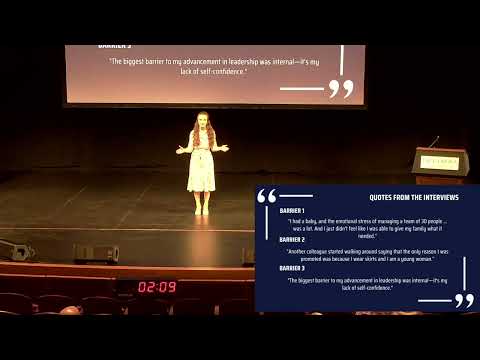
This research investigates barriers preventing women from advancing into leadership roles. Interviews reveal three key obstacles: family responsibilities, persistent gender bias, and internalized expectations of barriers. The study highlights how systemic challenges shape self-doubt and calls for collective responsibility in removing structural inequalities to unlock women’s leadership potential.

This research examines gender bias in leadership recognition. Despite evidence that women exhibit effective transformational leadership, male employees often undervalue female leaders. This bias affects promotion decisions, reinforcing the glass ceiling. The study highlights the need to address perception gaps to achieve genuine gender equality in senior leadership roles.

This research examines gender promotion gaps by analyzing policies, retention, and performance together. While promotion policies are gender-neutral and retention explains part of the gap, differences in measured performance—driven by reduced working hours—account for most disparities. Results show that how performance is defined critically shapes outcomes and policy effectiveness.

This ethnographic study examines how amateur football empowers women in Argentina and Brazil. Despite historical exclusion, participation helps women challenge gender norms, build confidence, and form supportive communities. Football becomes a pathway to broader social empowerment, offering insights for policies promoting gender equality through increased access to sport.