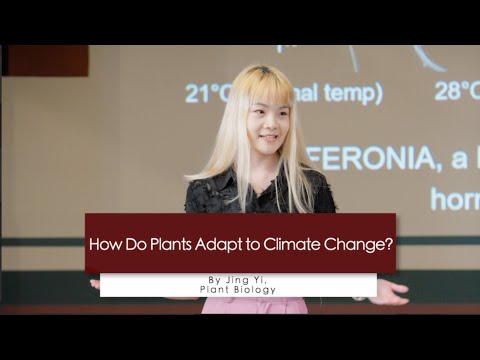
This research investigates feronia, a plant protein essential for heat adaptation. By studying how feronia regulates auxin signaling and plant growth under temperature stress, the work aims to uncover mechanisms that could support the development of heat-resilient crops, improving agricultural productivity and food security in a warming global climate.
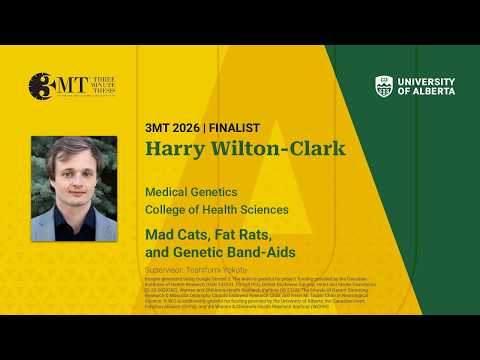
This research targets rare genetic diseases caused by frameshift mutations using antisense oligonucleotides as “genetic band-aids.” By masking faulty DNA segments, it restores functional protein production. Demonstrated in muscular dystrophy models, this approach offers a scalable strategy to treat multiple rare diseases, addressing a major gap where most conditions lack effective therapies.

Bacteria can cause major industrial failures through metal corrosion, but most bacteria are harmless or beneficial. This research engineers protective bacterial strains to prevent corrosion by sealing cracks, forming biofilms, and outcompeting harmful microbes—transforming bacteria into a sustainable defense for metal infrastructure like pipelines, bridges, and buildings.