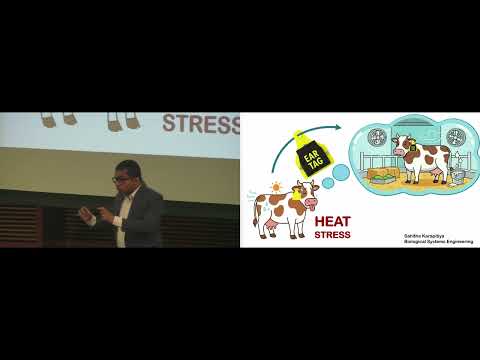
This research introduces an ultra-wideband tracking system to detect heat stress in dairy cows through behavior monitoring. By analyzing movement patterns with 98% accuracy, it enables early intervention and targeted cooling. The solution improves animal welfare, boosts milk production, and helps farmers manage labor and efficiency challenges in modern dairy farming.

This research demonstrates the value of safety checklists in veterinary surgery. By testing an anaesthesia checklist during student-led procedures, the study found that omitted critical steps were identified in most cases. Adopting checklists can reduce preventable errors, improve surgical safety, and enhance care for animal patients across veterinary practice.

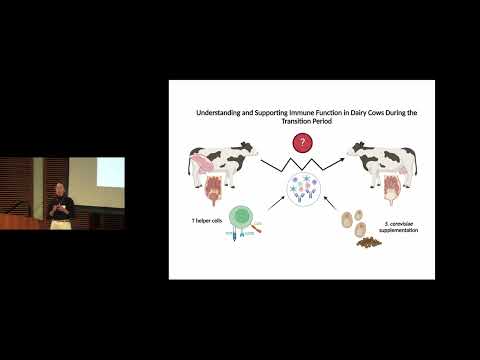
This research examines immune function in dairy cows during the transition from pregnancy to lactation, a period of high disease risk. Focusing on T helper cells, the study shows that yeast supplementation reduces inflammatory activation markers, suggesting a potential strategy to support immune health, improve animal welfare, and reduce disease-related losses in the dairy industry.

This research reveals Heterobilharzia americana as a widespread, underdiagnosed parasitic threat to dogs in the US Southwest. Testing showed nearly 25% infection rates, often linked to river exposure. The Drake Project raises awareness and seeks prevention strategies to protect dogs from this deadly waterborne parasite.