
This research explores how autoimmune disease affects identity in young adults. Interviews with 25 New Zealanders revealed that diagnosis reshapes identity, relationships with the body, and perceptions of disability. The findings suggest that supporting identity—not just treating disease—could improve health behaviours, wellbeing, and long-term outcomes for people with autoimmune conditions.
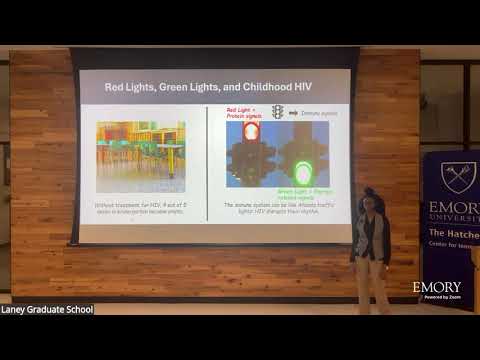
This research investigates how HIV disrupts the developing immune system in early life. Using a baby monkey model of HIV infection, the study identifies immune signals that either promote or limit infection spread. The findings could guide new immune-targeted therapies that improve survival and long-term outcomes for children living with HIV.
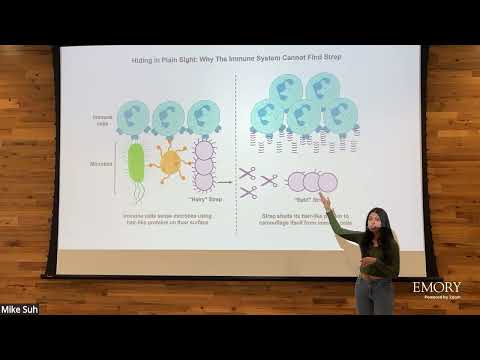
This research reveals how Streptococcus evades immune attack by shedding its hair-like surface proteins, distracting immune cells while provoking excessive immune activation. The findings provide a new explanation for how recurrent strep infections can trigger autoimmune diseases and suggest treatments should target both the bacteria and the immune response.
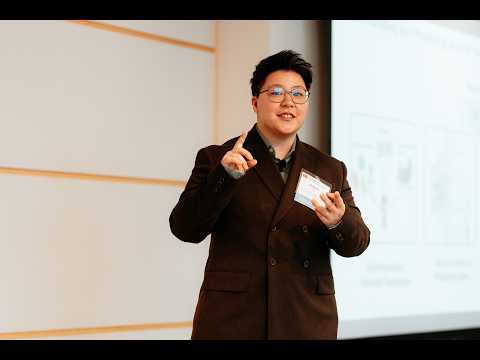
This research uses artificial intelligence to analyse immune-system data and predict vaccine effectiveness. By identifying early biological signals associated with strong, long-lasting immunity, the work aims to improve vaccine design, personalise vaccination strategies, and support development of universal vaccines capable of protecting against rapidly evolving infectious diseases.

This thesis examines cytokine release storm, where the immune system becomes dangerously overactive. Using rat models, mathematical modelling, science and coding, she maps how corticosteroids move through organs and control inflammation. The goal is to optimise treatment for CRS during cancer therapy, COVID or future pandemics.
2026
This research investigates macrophages, immune cells that regulate infection, tissue repair, and cancer responses. Through laboratory experiments and machine-learning models, it aims to predict macrophage function across different diseases and patients. The work could improve prognosis, guide treatments, evaluate drug safety, and forecast recovery following major illnesses and injuries.
2026
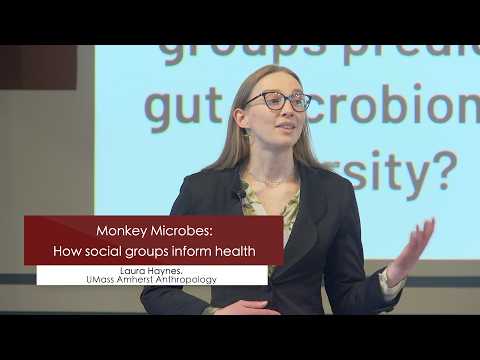
This research examines how social relationships influence the gut microbiome using Rwenzori Angolan colobus monkeys as a model. By combining social network analysis with microbial DNA sequencing, the study explores how beneficial bacteria spread through social groups and caregiving relationships, offering insights into the evolutionary connections between sociality and health.

This research uses spatial transcriptomics to map interactions between T cells, cancer cells, and immunosuppressive cells in tumours. Findings suggest cancer suppresses immune responses by surrounding and weakening T cells. The work aims to improve immunotherapy and enable personalised cancer treatment through detailed tumour mapping.
This research investigates why blocking an early asthma “alarmin” signal often fails as a treatment. Using mouse models, it reveals that environmental differences—particularly the microbiome—can bypass this signal and still drive asthma. Understanding microbiome health may help predict treatment success and lead to more personalized, effective asthma therapies.

This talk explores how the modernization of global diets has reduced food diversity and displaced fermented foods, contributing to rising rates of chronic disease. Drawing inspiration from traditional Japanese diets, the research focuses on fermented foods and their impact on gut health and immunity. The speaker highlights the discovery of bioactive, bioavailable cyclic dipeptides in certain Japanese fermented foods, which enhance immune cell function while reducing harmful inflammation. The work suggests that affordable, traditional fermented foods can play a powerful role in supporting immune health and preventing disease.