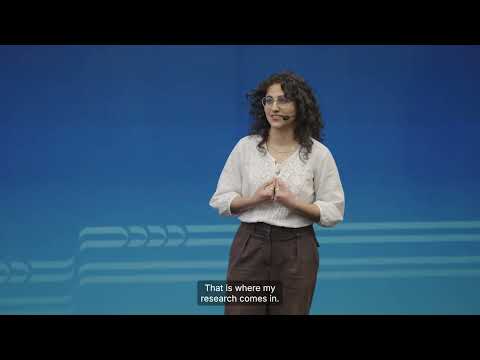
This research investigates how New Zealand's childhood vision screening programme can better detect and treat vision problems. By trialling more frequent and accurate screening alongside fully funded school-based eye examinations, the project aims to improve eye-care access, reduce inequalities, inform national policy, and ensure every child has the opportunity to see clearly.
2026
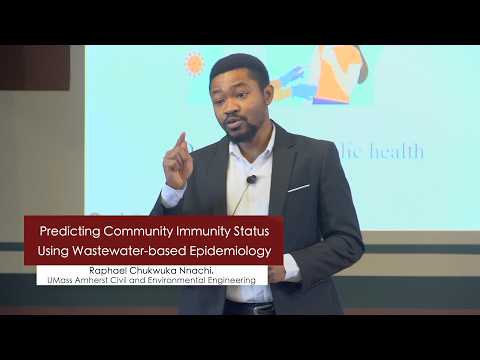
This research uses wastewater-based epidemiology to monitor antibodies excreted by communities, providing early insights into population vulnerability to infectious diseases. By analyzing antibody trends in wastewater over time, the work helps public health authorities identify at-risk communities, allocate resources more effectively, strengthen vaccination strategies, and improve outbreak preparedness.

2025
This research uses linked provincial health data to measure the population burden of coeliac disease in Alberta. By identifying diagnosis rates, care gaps, and early-life risk factors, the work informs healthcare planning and policy. The findings highlight rising diagnoses in children and the long-term personal and economic impact of a lifelong, diet-based condition.
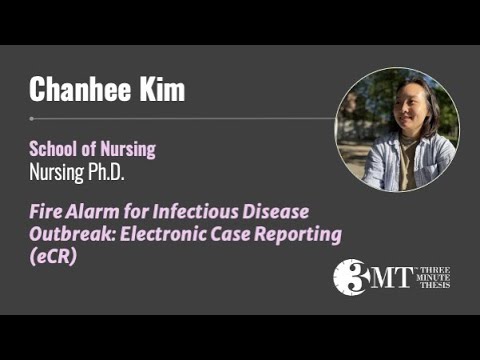
This research evaluates electronic case reporting (ECR), an automated disease surveillance system that alerts public health agencies as soon as diagnoses are recorded. By analyzing surveillance data and clinician experiences, the work aims to improve outbreak detection speed, accuracy, and usability—helping public health respond earlier and save lives.