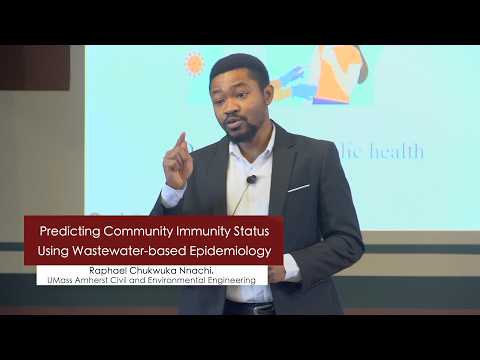
This research uses wastewater-based epidemiology to monitor antibodies excreted by communities, providing early insights into population vulnerability to infectious diseases. By analyzing antibody trends in wastewater over time, the work helps public health authorities identify at-risk communities, allocate resources more effectively, strengthen vaccination strategies, and improve outbreak preparedness.
2026
2026
This research uses low-cost air quality sensors to monitor pollution exposure in underserved communities in Philadelphia. It reveals unexpected indoor and temporal pollution patterns and highlights disparities in exposure. By involving residents as citizen scientists, the study demonstrates how accessible data can inform policy and improve public health outcomes.
This research examines how older adults manage indoor environmental conditions while aging in place. It highlights the importance of “adaptive opportunities,” such as adjusting surroundings or behavior, and identifies barriers like mobility and cost. The goal is to develop practical strategies to improve comfort, health, and independence for aging populations at home.