
This research explores how autoimmune disease affects identity in young adults. Interviews with 25 New Zealanders revealed that diagnosis reshapes identity, relationships with the body, and perceptions of disability. The findings suggest that supporting identity—not just treating disease—could improve health behaviours, wellbeing, and long-term outcomes for people with autoimmune conditions.
2026
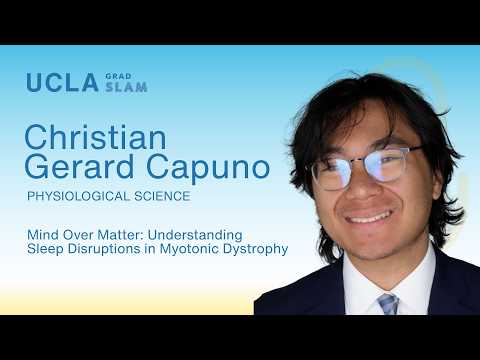
This research investigates the neurological causes of sleep dysfunction in people with myotonic dystrophy, a common multisystem muscular dystrophy. Using mouse models and brain activity monitoring, the study examines how diseased brains lose the ability to compensate for stress, providing new insights into sleep quality, cognition, and disease progression.
2026
This 3MT® presentation describes how artificial intelligence can help non-specialist clinicians diagnose deep vein thrombosis using AI-guided handheld ultrasound devices. By enabling faster point-of-care diagnosis in GP surgeries, the project aims to reduce hospital referrals, improve accessibility for vulnerable patients, and help healthcare systems manage increasing clinical demand more efficiently.
This research explores asthma by recreating lung airways using 3D bioprinting. By simulating low-oxygen conditions and imaging structural changes, it investigates how exaggerated immune responses narrow airways. These models enable detailed study of disease mechanisms and offer a platform to develop treatments, ultimately advancing efforts toward preventing or curing asthma.

2025
This research uses linked provincial health data to measure the population burden of coeliac disease in Alberta. By identifying diagnosis rates, care gaps, and early-life risk factors, the work informs healthcare planning and policy. The findings highlight rising diagnoses in children and the long-term personal and economic impact of a lifelong, diet-based condition.

This research examines how multiple sclerosis disrupts meaning and identity beyond physical symptoms. A nurse-led, group-based intervention helps people with MS rebuild purpose and quality of life. By targeting meaning alongside medical treatment, the project addresses the often-overlooked psychological impact of chronic illness and offers a scalable model for holistic care.
This research examines nutrition and hydration challenges after ileostomy surgery. Interviews and surveys reveal widespread fear, confusion, and poor hydration knowledge due to inconsistent advice. By developing evidence-based dietary guidance, this work aims to reduce complications, improve quality of life, and help ileostomates eat and drink with confidence.

This research examines a peer-led support group for people with early-onset Parkinson’s disease, exploring their unique needs compared with older adults. The study identifies the benefits and barriers of stakeholder-led groups, clarifies the role of clinical professionals, and produces a co-designed resource to guide future peer-led support initiatives.
This thesis explores the challenges faced by young people with rare chronic kidney diseases as they transition from pediatric to adult healthcare. The researcher works to support families, improve preparedness, and ensure no young person is left behind, aligning with global goals for equitable, inclusive healthcare for vulnerable populations.
Type 1 diabetes destroys insulin-producing cells, leaving patients dependent on lifelong injections. Islet transplants could provide freedom, but most cells die quickly. This research uses drug-loaded microparticles that protect transplanted islets, boosting survival, insulin production, and diabetes reversal. The approach could cut costs, reduce donor needs, and transform treatment for multiple diseases.