This research introduces the “signaling gap,” showing how states use controlled media to communicate positions they cannot express formally. Analyzing 174,000 articles, it finds that Russia-aligned countries signalled disapproval of the Ukraine invasion through negative coverage. The study bridges political science and intelligence practice, highlighting informal communication under constraint.
This research examines why small powers shift foreign policy alignment. It argues that disappointment in inherited partners, combined with domestic instability and security pressures, drives realignment. Case studies of Georgia and Armenia illustrate these dynamics, offering a clearer framework for understanding alliance changes in a global context where small states play critical roles.
This research explores international students as cultural ambassadors and examines how educational exchange programmes generate soft power. Using interviews with British and Taiwanese students, it analyses how study abroad experiences shape perceptions, strengthen UK–Taiwan relations, and support diplomacy by fostering mutual understanding, goodwill, and long-term international cooperation.
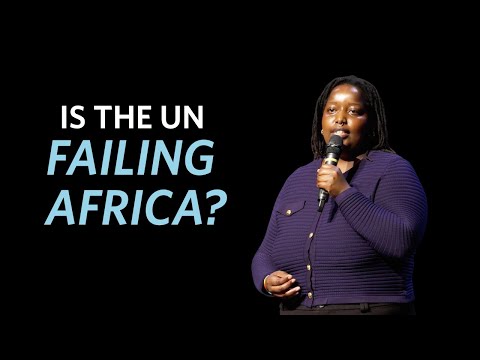
This research critically examines United Nations actions in Sudan and the Democratic Republic of Congo, questioning whether institutional reform is sufficient. By analyzing humanitarian aid, international law enforcement, and resource protection, it evaluates whether the UN has upheld its commitments to Africa—or whether alternative futures beyond the UN are needed.