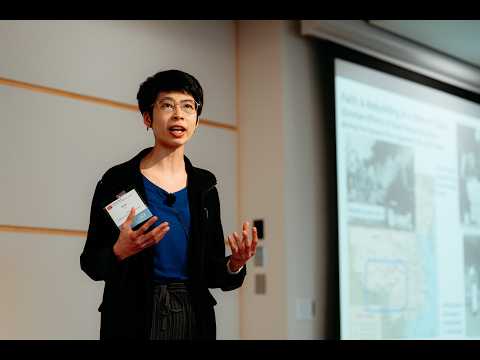
This research explores how Chinese Christian reformers contributed to humanitarian relief and rural reconstruction during the Second Sino-Japanese War. Through literacy programmes, public health initiatives, and community development, they demonstrated that religion could function not only as belief, but also as a practical response to social crisis.
This research explores the untapped potential of locally produced Ontario wool. By processing raw fleece into textiles and studying the characteristics of different sheep breeds, the project highlights how valuable, sustainable materials are being wasted due to a lack of processing infrastructure and advocates for rebuilding local wool economies
2026
This research transforms human urine into sustainable fertilizer using solar-powered systems that recover nutrients like nitrogen, phosphorus, and potassium. By turning toilets into decentralized fertilizer factories, the approach improves sanitation, reduces reliance on energy-intensive production, and provides affordable fertilizers to underserved farmers, supporting both environmental sustainability and economic development.
Eastern red cedar is an invasive species causing ecological and economic damage across Oklahoma. This research develops an economic decision-support model to transform cedar into valuable products by optimizing supply chains, reducing risk for investors, and supporting sustainable industry development that benefits the state economy.