Athabasca tailings ponds contain over 1.2 trillion litres of toxic wastewater that grows daily. Conventional drying is slow and inefficient, so this research team developed a solar-heated cotton-layer device that accelerates evaporation by 400%. Their goal is to reclaim the contaminated land by rapidly reducing tailings volume.

antifreeze chemicals are toxic. This research tests new ice-recrystallization inhibitors that enter embryos easily, cause minimal developmental effects, and prevent damaging ice-crystal growth. These findings could enable long-term genetic preservation and support future ecosystem restoration.

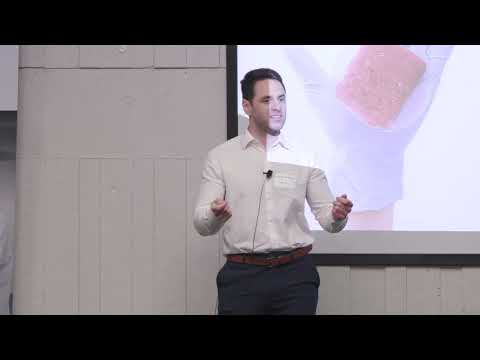
This research uses directional freezing to create realistic plant-based meat textures by forming aligned protein fibres similar to muscle. By improving bite, structure, and consumer appeal, these meat alternatives can reduce environmental impact while offering a sustainable, delicious option. The method is low-cost, scalable, and even possible at home.

This research improves aviation efficiency by using tiny vortex generators to control turbulent airflow over airplane wings. These structures reduce drag, save fuel, and cut carbon emissions—potentially eliminating 600,000 tons of CO₂ annually. It's a small aerodynamic change with a massive global impact for greener, more sustainable air travel.