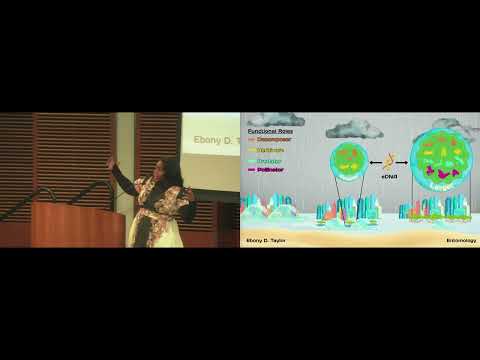
This research investigates whether small mangrove patches can effectively protect coastal areas from hurricanes. Using insect biodiversity and environmental DNA, it evaluates ecosystem functionality across patch sizes. The goal is to identify the minimum viable size for resilient mangrove systems, informing urban planning and improving coastal protection in space-limited environments.

This research examines Rotterdam’s urban tree planting practices and their impact on air quality and drought resilience. Findings show that current reliance on single-species tree lines reduces resilience, while greater species and functional diversity improves pollutant removal and climate adaptability. The study recommends transitioning to mixed-species, biodiversity-focused urban forestry strategies.

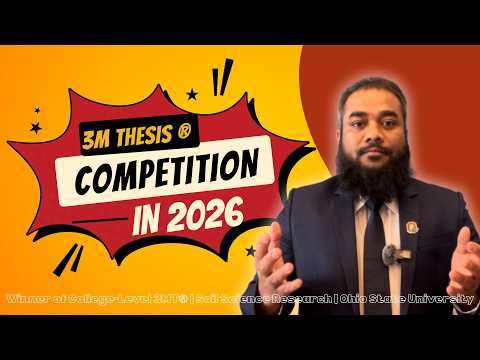
This research examines whether long-term organic soil management improves climate resilience. Using a 27-year field experiment, the study shows that compost and manure significantly improve soil structure, reduce compaction, and increase water retention. Results demonstrate that sustained organic practices can transform fragile soils into resilient systems for future food security.

This research examines how climate change affects Phytophthora infestans, the pathogen responsible for potato late blight. By studying pathogen growth, reproduction, and molecular changes under future temperature and CO₂ conditions, the project aims to inform climate-resilient disease management strategies and strengthen global food security.