This research examines whether long-term organic soil management improves climate resilience. Using a 27-year field experiment, the study shows that compost and manure significantly improve soil structure, reduce compaction, and increase water retention. Results demonstrate that sustained organic practices can transform fragile soils into resilient systems for future food security.
2025
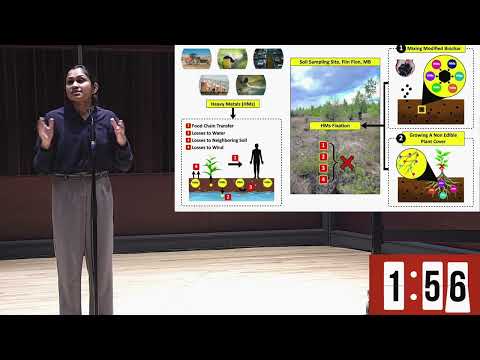
Heavy metal contamination in boreal forest soil particularly by Cadmium (Cd), Copper (Cu), Lead (Pb), and Zinc (Zn) is an environmental issue associated with mining. Heavy metal contaminated soil causes food chain contamination, detrimental effects on humans, contamination of natural waters and impairment of plant growth. Chemical immobilization combined with phytostabilization is a promising remediation strategy of heavy metal contaminated soil. In this technique, various kinds of amendments are added to soil which immobilize heavy metals whereas an established vegetation cover stabilizes heavy metals within the rhizosphere zone. This project will assess the effectiveness of modified biochar as amendments in immobilizing Cd, Cu, Pb, Zn in acidic boreal forest soils with different levels of concentrations. Additionally, it will evaluate the phytostabilization potential of native Canadian grass species to reduce mobility and bioavailability of these heavy metals contributing to development of effective remediation measures in multi-metal contaminated boreal forest ecosystems.
This research investigates how forest soil health underpins resilience to climate change in Nova Scotia. By analyzing physical, chemical, and biological soil properties across diverse sites, the project develops a soil health framework to guide forest management, enhance carbon sequestration, and improve long-term ecosystem resilience.
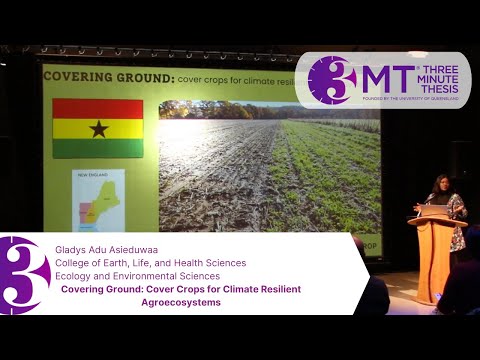
The research promotes interseeding—planting cover crops alongside cash crops—to help farmers in short-season climates protect soil, retain nutrients, and boost resilience. By identifying optimal planting times, crop mixes, and methods, the work dispels myths about competition and shows that interseeding can improve yields and soil health without compromising crop quality.