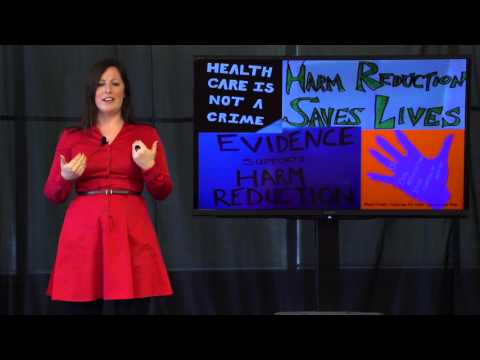
This research examines harm reduction practices and their limitations within systems of prohibition. While designed to support people without judgment, institutional rules and boundaries restrict access. Case studies reveal how these constraints can increase risks, including overdose, highlighting a gap between harm reduction philosophy and real-world implementation.

2026
This research examines the impact of stand-your-ground laws on public safety. While widely adopted, the findings show no large or immediate effects on homicide or related outcomes. However, small, uncertain effects may exist, and when scaled across many interactions, these can influence behavior and contribute to real-world consequences in everyday confrontations.

This research analyzes 15 years of aid data across Pacific Island countries to assess whether foreign aid supports economic growth. It finds that aid can be effective, but only up to a point, and that donor type matters. The study emphasizes shifting focus from national GDP to community-level outcomes.