
This research develops a new econometric method that captures complex, non-linear relationships while accounting for hidden differences between firms. Applied across 50 industries, it reveals that traditional models underestimate R&D investment by up to 8%, enabling more accurate economic predictions and better-designed innovation, taxation, and regulatory policies.
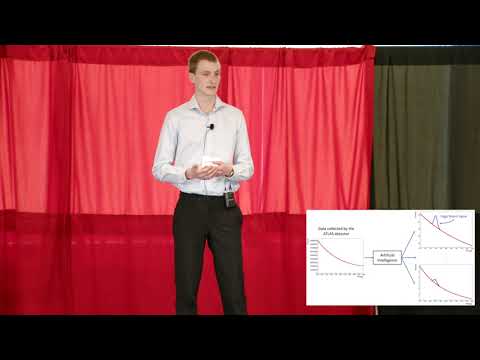
This research uses AI to detect subtle interactions between the Higgs boson and muons at the Large Hadron Collider. By refining large datasets, it aims to uncover how particles acquire mass at smaller scales. Confirming this interaction would deepen understanding of the Higgs field and fundamental physics.

This research examines how social networks influence life outcomes, showing that cross-income friendships significantly improve earnings, well-being, and social trust for low-income individuals. Using large-scale data, it demonstrates that environment shapes opportunity, highlighting the importance of institutions like universities in fostering connections that can transform lives and promote social mobility.

2026
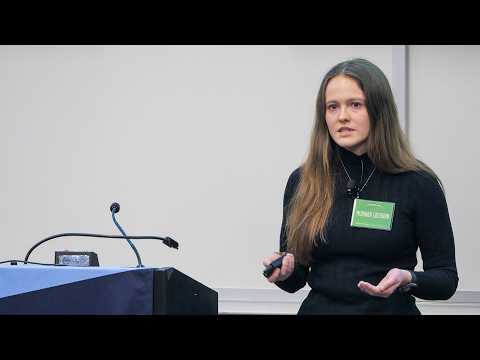
This research examines gender promotion gaps by analyzing policies, retention, and performance together. While promotion policies are gender-neutral and retention explains part of the gap, differences in measured performance—driven by reduced working hours—account for most disparities. Results show that how performance is defined critically shapes outcomes and policy effectiveness.
2026
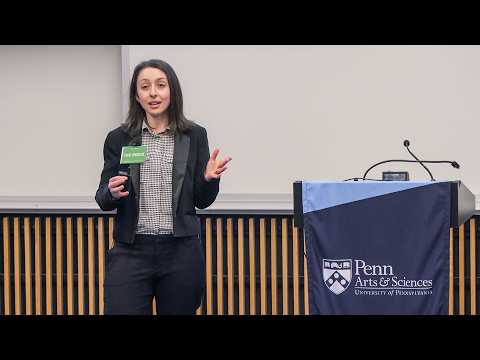
This research examines the impact of stand-your-ground laws on public safety. While widely adopted, the findings show no large or immediate effects on homicide or related outcomes. However, small, uncertain effects may exist, and when scaled across many interactions, these can influence behavior and contribute to real-world consequences in everyday confrontations.
2026
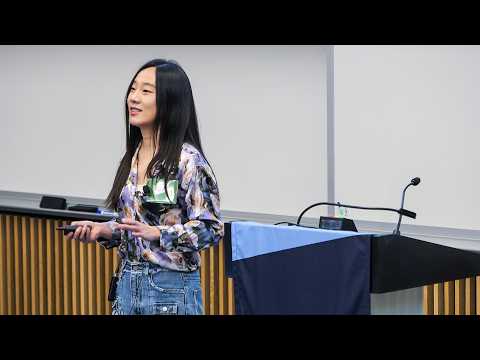
This research examines how prior victim or defendant status influences courtroom outcomes. Using Philadelphia court data, it finds that individuals with dual roles receive different treatment depending on context—leniency as defendants but weaker outcomes as victims. The findings challenge assumptions of neutrality and raise concerns about fairness and consistency in the justice system.
2026
This research shows that pauses in information streams alter decision-making. After a break, the brain increases effort, giving greater weight to subsequent information—a “peak-after-break” effect. A computational model explains this as a performance-effort tradeoff. Findings challenge traditional theories and suggest strategic pauses can shape attention, memory, and judgment.
2026
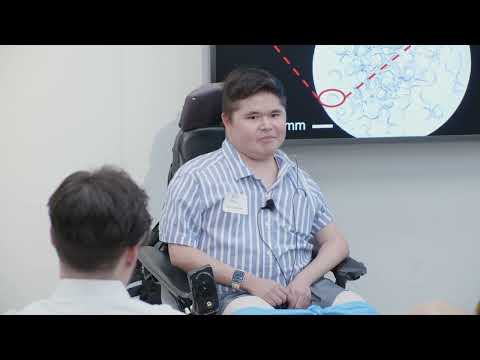
This research uses nematode worms and machine learning to quantify changes in neuron structure linked to neurodegenerative diseases. By replacing subjective visual analysis with objective computational methods, it identifies structural abnormalities and improves understanding of disease mechanisms, supporting future advances in diagnosis and treatment.

This research uses spatial transcriptomics to map interactions between T cells, cancer cells, and immunosuppressive cells in tumours. Findings suggest cancer suppresses immune responses by surrounding and weakening T cells. The work aims to improve immunotherapy and enable personalised cancer treatment through detailed tumour mapping.

2025
This research develops the Remnant Emission Survey Tool (REST) to identify dormant comets—objects that resemble asteroids but may contain ancient solar system chemistry. By analyzing archived images of 3,800 asteroid candidates for faint gas emissions, REST aims to improve classification and deepen understanding of planetary formation and solar system history.