
This research examines how social networks influence life outcomes, showing that cross-income friendships significantly improve earnings, well-being, and social trust for low-income individuals. Using large-scale data, it demonstrates that environment shapes opportunity, highlighting the importance of institutions like universities in fostering connections that can transform lives and promote social mobility.

This research investigates declining youth homeownership since the 2008 financial crisis. Using longitudinal data and economic modelling, it identifies key barriers including high down payments, rising house prices, and financial pressures. Policy simulations show that targeted interventions can significantly improve access, demonstrating that structural constraints—not personal choices—drive the crisis.
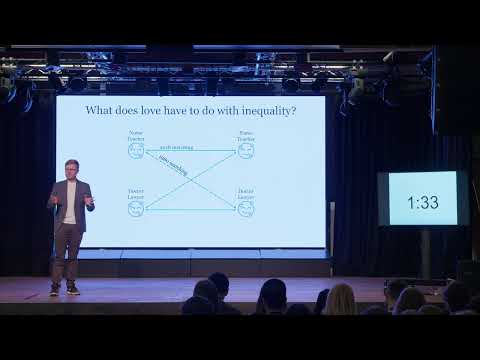
Partner choice increasingly reflects shared career aspirations, intensifying income inequality. Using Danish registry data and machine learning, this research shows assortative matching by education and career focus has risen since the 1980s. If pairing patterns had remained unchanged, today’s income inequality would be over 40% lower, highlighting family formation as a key economic force.