This research examines name-based discrimination in hiring by analyzing resume studies comparing majority and minoritized names. The findings show that perceived warmth and competence strongly influence callback rates, revealing how stereotypes shape employment opportunities. The work highlights the psychological burden of identity concealment and proposes fairer, more transparent hiring practices.

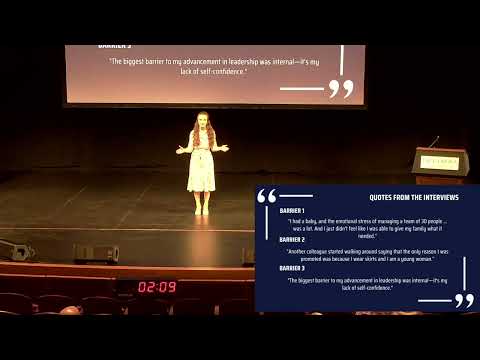
This research investigates barriers preventing women from advancing into leadership roles. Interviews reveal three key obstacles: family responsibilities, persistent gender bias, and internalized expectations of barriers. The study highlights how systemic challenges shape self-doubt and calls for collective responsibility in removing structural inequalities to unlock women’s leadership potential.
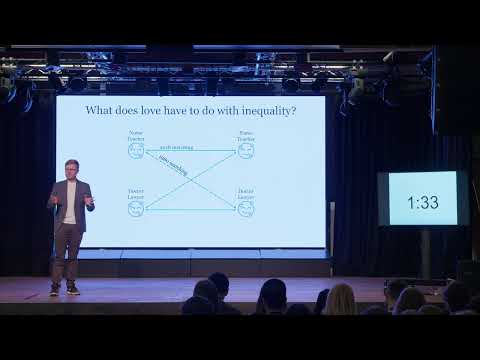
Partner choice increasingly reflects shared career aspirations, intensifying income inequality. Using Danish registry data and machine learning, this research shows assortative matching by education and career focus has risen since the 1980s. If pairing patterns had remained unchanged, today’s income inequality would be over 40% lower, highlighting family formation as a key economic force.