This project uses hive sound recordings and machine learning to detect early signs of bee swarming. By identifying acoustic differences between swarming and stable colonies, the system predicts swarming with 93% accuracy. This enables beekeepers to intervene early, prevent colony loss, and even create new healthy colonies.

Pakistan is highly vulnerable to climate change due to low forest cover, rising temperatures, glacier melting, floods, droughts, and agricultural decline. With only 4.2 million hectares of forest, impacts are severe. Government initiatives like the 10 Billion Tree Tsunami and mangrove restoration aim to improve resilience and environmental sustainability.

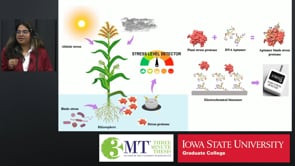
Corn crops often suffer hidden stress long before visible damage appears. This research develops DNA aptamer-based biosensors that detect early stress signals in maize soil. By providing real-time alerts, the system enables faster intervention, improving crop resilience, farm productivity, and long-term food security.

Gray mold in strawberries is increasingly resistant to fungicides due to genetic mutations. This research identifies resistance levels by testing pathogen samples in the lab, allowing growers to choose effective treatments. Ongoing work analyzes resistance trends and integrates DNA tools to optimize spray programs and reduce waste, ensuring healthier harvests.

Labour shortages leave millions of dollars of crops unharvested. This research develops touch-sensitive robots that navigate complex plants using force sensors rather than vision, reducing damage and improving fruit-reaching success by 66%. By learning from human movements, these robots could support sustainable agriculture and address critical workforce gaps.

This research identifies and characterizes IAD, a gut-microbial enzyme responsible for producing skatole, a key source of fecal odor. Understanding IAD’s structure and mechanism could help agriculture reduce farm odors, prevent boar taint, and protect cattle health. X-ray crystallography is being used to design inhibitors that block skatole formation.

This research provides the first-ever map of the honeybee gut protein interactome to understand how the parasite Nosema disrupts bee health. By isolating gut protein interactions and identifying them via mass spectrometry and computational analysis, the project uncovers how infection alters essential networks, paving the way for targeted, safer treatments for honeybee disease.

This research investigates Trichoderma fungi as a biological control against Armillaria honey fungus, a major plant pathogen with no effective treatment. Forty Trichoderma strains were tested; seven reduced disease in plants and one prevented infection entirely. These findings suggest plants could be inoculated like a “vaccination” to protect forests, crops, and gardens.