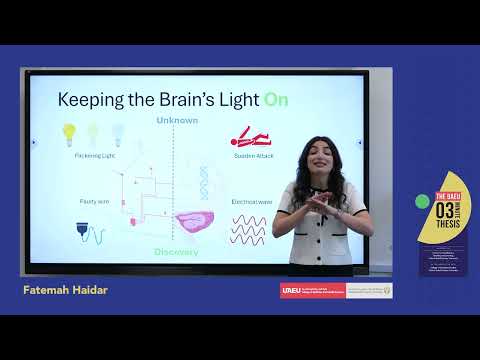
This research investigates episodic ataxia type 1, a rare disorder causing sudden loss of coordination. A genetic mutation triggers abnormal brain firing and electrical waves in the cerebellum. By tracking these waves in mice, the work aims to identify ways to prevent attacks and restore motor control.

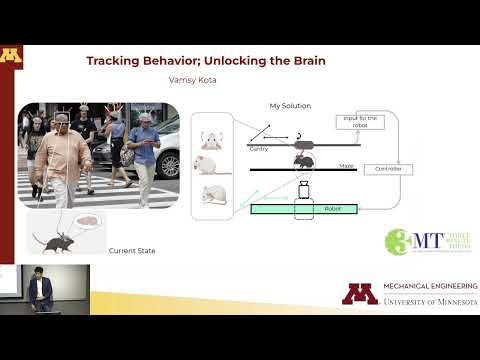
Understanding how the brain controls behavior is key to studying neurological disease. This research introduces a high-speed robotic system that tracks mouse behavior in fine detail. By synchronizing precise behavioral data with brain activity recordings, it enables researchers to link specific neural regions to actions, improving insight into disorders like Parkinson’s and Alzheimer’s.

This research investigates how coordinated and random patterns of cell division shape facial development. Using 3D imaging of mouse embryos, it reveals that the direction of cell division—not just its location—drives tissue growth. Balancing orderly and chaotic cellular behaviours may be key to understanding healthy face formation and preventing developmental defects.

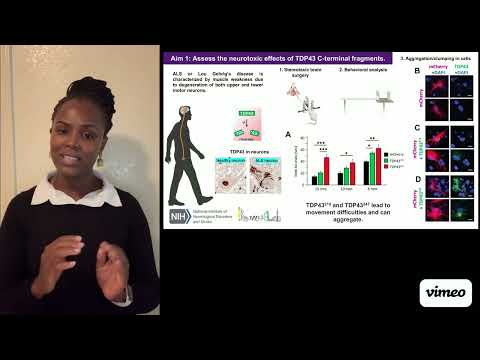
This research investigates toxic protein fragments involved in amyotrophic lateral sclerosis (ALS). By studying two TDP-43 fragments in mice and neurons, the work shows that specific fragments cause greater movement deficits and protein aggregation. Identifying the most harmful fragments advances understanding of ALS mechanisms and supports development of targeted neuroprotective therapies.

SLC13A5 citrate transport disorder causes severe neonatal seizures due to disrupted citrate balance in the brain. This research uses mouse models to show excess citrate worsens seizures and explores gene replacement therapy to restore transporter function. Early results show reduced seizures, with human clinical trials beginning soon.

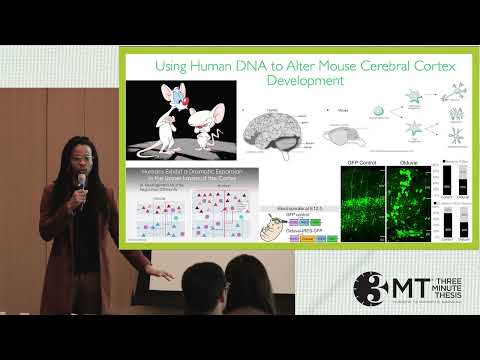
This research inserts a human-specific DNA sequence into mice to study cerebral cortex development. The modified mice show increased upper-layer neurons and glial cells, revealing how human brain evolution supports higher cognition. These findings improve understanding of human brain specialization and the origins of neurological disorders.

Migraine affects over 10% of people and disproportionately impacts women. This research studies sex differences in brain circuits using mouse models to understand why. By manipulating neural pathways, findings show certain circuits trigger migraine-like sensitivity only in females. Mapping these circuits may enable personalized, more effective migraine treatments.

Late-stage cancers often recur more aggressively after treatment. This research identifies the specific dendritic cell types found inside tumors, distinguishing “good” anti-cancer cells from “bad” tumor-promoting ones. Using this knowledge, a tailored dendritic-cell vaccine is being developed and tested in an ovarian-cancer-like mouse model to prevent relapse.