Pancreatic ductal adenocarcinoma resists immunotherapy by building an immune-suppressive tumor fortress. This research explores how specific bacteria found in long-term survivors may reshape the tumor microenvironment, enhance immune checkpoint therapy, and help immune cells overcome suppression to attack pancreatic cancer more effectively.
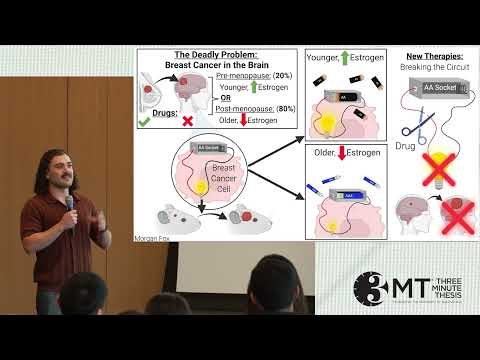
Breast cancer most often kills by spreading to the brain, where hormone therapies fail. This research reveals a signaling pathway that drives tumor growth in both pre- and postmenopausal settings. Identifying alternative activators of this pathway opens new therapeutic opportunities for deadly brain metastases.
This research improves preclinical testing of SERDs (selective estrogen receptor degraders) for estrogen receptor–positive breast cancer by modeling the tumor environment and treatment resistance. By co-culturing cancer and fat cells and applying single-cell RNA sequencing, it identifies resistance mechanisms to support more effective drug development for patients.
This research examines how macrophages shift between tumor-fighting and tumor-supporting roles in breast cancer. By identifying signals in the tumor microenvironment and engineering molecular cues to promote tumor-destroying behavior, the work aims to reprogram immune responses and improve therapeutic outcomes for breast cancer patients.
Uterine cancer deaths continue to rise despite advances in other cancers. Many patients who cannot undergo surgery rely on progestin therapy, which often fails. This research tests dozens of progestins on patient tumor and immune cells, identifying five more effective candidates. The goal is safer, personalised, fertility-preserving treatment for women with uterine cancer.
Late-stage cancers often recur more aggressively after treatment. This research identifies the specific dendritic cell types found inside tumors, distinguishing “good” anti-cancer cells from “bad” tumor-promoting ones. Using this knowledge, a tailored dendritic-cell vaccine is being developed and tested in an ovarian-cancer-like mouse model to prevent relapse.