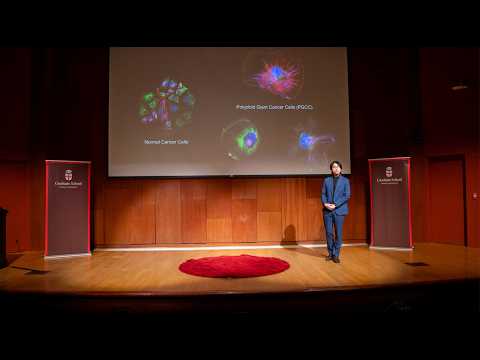
This research investigates how glutamine-rich regions within the LAG-3 protein influence Notch signaling, a critical pathway for cell communication and development. Using CRISPR gene editing, the study found that removing glutamine repeats alters stem cell behavior and cell-cycle progression, providing insights relevant to cancer, Alzheimer’s disease, and future therapies.
This research combines focused ultrasound and engineered genetic circuits to activate cancer immunotherapy directly within solid tumors. By locally triggering immune-stimulating cytokines such as IL-12, the approach aims to convert “cold” tumors into “hot” tumors while minimizing systemic toxicity, potentially expanding curative immunotherapy treatments to more cancer patients.
This research develops engineered ultrasonic reporters that allow ultrasound imaging to detect molecular activity rather than only anatomical structure. By targeting biological signals associated with cancer progression and cellular communication, the work aims to distinguish aggressive disease earlier and improve precision medicine through real-time, noninvasive monitoring of underlying cellular behavior.
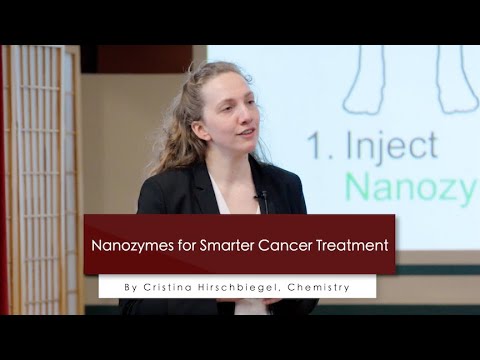
This research develops “nanozymes,” nanoparticle-based catalysts that activate cancer drugs directly at tumor sites. Instead of carrying large amounts of chemotherapy drugs, nanozymes locally trigger inactive drugs into their active form only within cancer tissue. Early mouse studies show effective tumor destruction with significantly reduced side effects compared to conventional chemotherapy.
This research uses artificial intelligence to predict the progression of Alzheimer’s disease and cancer using medical imaging data. By analyzing brain scans, tumor scans, and treatment responses, AI models can forecast disease development and treatment outcomes, enabling earlier intervention, more personalized care, and improved quality of life for aging populations.
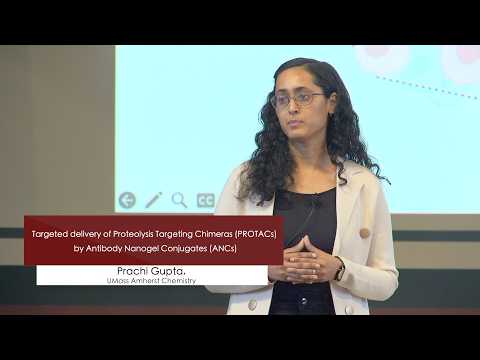
This research develops nanoscale “smart package” delivery systems for PROTAC cancer drugs. Antibody nanogel conjugates selectively target cancer cells, enter them, and release therapeutic molecules while minimizing exposure to healthy tissue. The approach improves delivery efficiency and aims to reduce the severe side effects that often limit cancer treatment.
This research develops synthetic genetic circuits that automatically alternate CAR T-cell activity between active cancer killing and recovery states. By preventing immune-cell exhaustion, these circuits could improve cancer immunotherapy effectiveness. The work also suggests broader biomedical applications where controlled cycling of gene activity may enhance treatment safety, longevity, and therapeutic performance.
This research develops a rapid, accessible technique for analyzing extracellular vesicles (EVs), tiny cellular messengers found in blood. By measuring both the size and molecular contents of individual EVs, the method could enable earlier and more accurate diagnosis of diseases such as cancer, Alzheimer’s, and HIV using simple blood samples.
This research uses spatial transcriptomics to map interactions between T cells, cancer cells, and immunosuppressive cells in tumours. Findings suggest cancer suppresses immune responses by surrounding and weakening T cells. The work aims to improve immunotherapy and enable personalised cancer treatment through detailed tumour mapping.
This research investigates the protein SLX4, a key coordinator of DNA repair. Using complementary techniques, it identifies 221 interacting proteins, most previously unknown. Findings reveal a complex network involved in genome maintenance, offering new insights into cellular repair mechanisms and improving understanding of diseases such as cancer.
Pagination
- Page 1
- Next page