
This research investigates the safety of hydrogen vehicles and refuelling infrastructure using advanced computer simulations of fires and explosions. Findings suggest protective barriers can reduce blast pressures by 60–90%. The work provides evidence for future safety standards, helping enable wider adoption of hydrogen transportation while protecting people, property, and communities.

2025
This research develops intelligent polymer membranes that selectively capture carbon dioxide using molecular simulations to design highly efficient gas-separation materials. By improving carbon capture at industrial sources, the technology could reduce greenhouse gas emissions, support cleaner energy systems, and contribute to tackling one of the world's greatest challenges: climate change.

2026
This research investigates how the EU's Carbon Border Adjustment Mechanism (CBAM) could reshape UK manufacturing investment. By analysing multinational firms and environmental trade policies, it aims to identify when green regulations encourage companies to invest in the UK, helping policymakers attract sustainable industries, create jobs, and reverse long-term industrial decline.
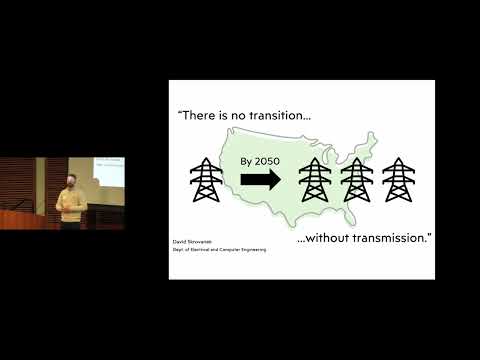
Achieving a carbon-free future requires not only renewable energy generation but also major upgrades to electricity transmission. This research develops electrostatic generators that produce high-voltage DC power more efficiently and sustainably than current technologies. By reducing costs and reliance on rare materials, the work supports grid expansion and large-scale decarbonisation.

This research improves the lifespan of sodium-metal batteries, a cheaper and greener alternative to lithium-ion cells for renewable energy storage. By replacing copper with zinc as the supporting material, sodium forms smooth, stable deposits, extending battery life 15-fold. This innovation could deliver affordable, sustainable grid-scale energy storage.

This research uses atomic-scale computer simulations to design safer, more efficient battery electrolytes. By modelling ion movement like a “river” inside a battery, the project identifies top-performing materials before laboratory testing. The goal is to create faster-charging, higher-capacity, non-toxic batteries that support global renewable-energy transitions and a net-zero future.