
This research develops a seawater-compatible electrolyzer that uses state-of-the-art materials with an integrated deionization layer powered by waste heat. The system enables efficient hydrogen production from seawater, supporting portable refueling stations for hydrogen-powered marine UAVs and advancing clean, sustainable energy for offshore operations.

2025
This research develops intelligent polymer membranes that selectively capture carbon dioxide using molecular simulations to design highly efficient gas-separation materials. By improving carbon capture at industrial sources, the technology could reduce greenhouse gas emissions, support cleaner energy systems, and contribute to tackling one of the world's greatest challenges: climate change.

2026
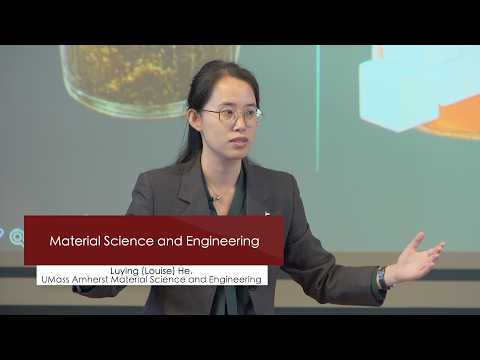
This research investigates how the shape, size, and surface chemistry of carbon nanomaterials influence their ability to remove contaminants from complex wastewater. By systematically testing nanomaterial variations against pollutants such as microplastics and petroleum derivatives, it aims to establish design rules that enable more effective, real-world water treatment technologies.
2026
This research develops biodegradable “living” water filters grown from kombucha cellulose membranes. Unlike conventional plastic filters, these biofilters can self-defend against harmful microbes and self-repair when damaged. The work aims to create affordable, sustainable, and effective water filtration systems that reduce plastic waste while improving access to clean drinking water.

2025
This research develops a new chemical process for modifying cellulose while keeping it in water, overcoming longstanding compatibility problems between cellulose and oil-soluble molecules. The method enables cellulose to incorporate electronic and pharmaceutical components, opening pathways toward sustainable electronics, advanced materials, targeted medicines, and greener technologies based on renewable natural resources.
2026
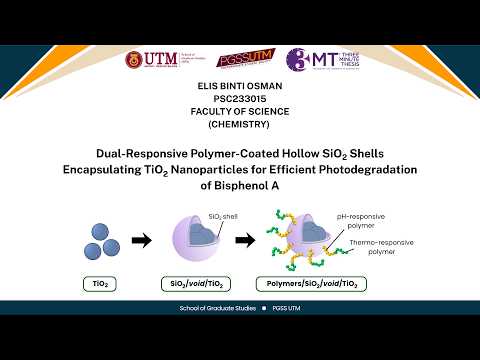
This research tackles removal of Bisphenol A from water using light-activated materials. By combining titania with a silica shell and a responsive polymer “gate,” the system adapts to changing conditions like pH and temperature, improving pollutant breakdown under visible light and enabling smarter, more efficient water purification.

This research explores tidal energy as a reliable renewable source using digital twin technology. By simulating tidal farms in the Long Island Sound, it evaluates performance and environmental impacts before construction. The approach enables efficient, fish-friendly energy design, offering a scalable solution for sustainable ocean-based power generation worldwide.
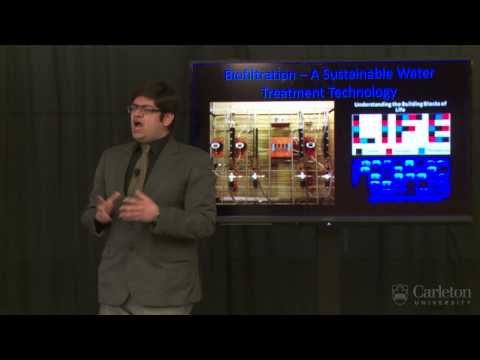
This research explores biofiltration as a sustainable alternative to chemical water treatment. By supplying bacteria with nutrients like nitrogen and phosphorus, it improves removal of harmful organic matter. Results show a 20% efficiency increase, reducing chemical use and risks, and offering a cost-effective solution for safe drinking water worldwide.

This research tackles harmful cyanobacteria blooms that threaten drinking water. Using ceramic membrane filtration, it prevents toxin release by retaining intact cells. Improved cleaning methods with eco-friendly chemicals enhance membrane efficiency and longevity. The work aims to ensure safe water treatment as climate change increases the frequency and severity of algal blooms.

This research addresses rural water scarcity in Colombia by developing a household treatment system combining filtration and solar disinfection. Using engineering models, it optimizes flow, pathogen inactivation, and sunlight exposure to ensure reliability. The approach delivers safe, simple, and sustainable water access, reducing disease and improving quality of life in underserved communities.