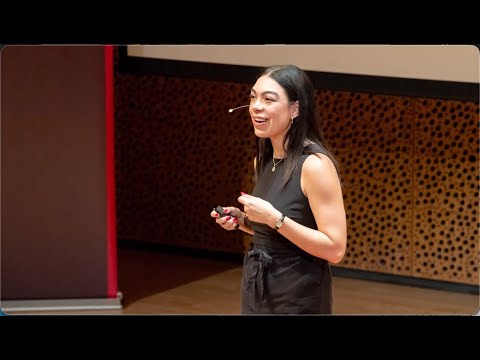
This research examines how continuity of care at Federally Qualified Health Centers affects low-income adults as they age into Medicare eligibility. Using national Medicare and Medicaid data, it investigates whether maintaining long-term primary care relationships improves health outcomes, informing policies that strengthen community healthcare services and support healthy ageing.
2025
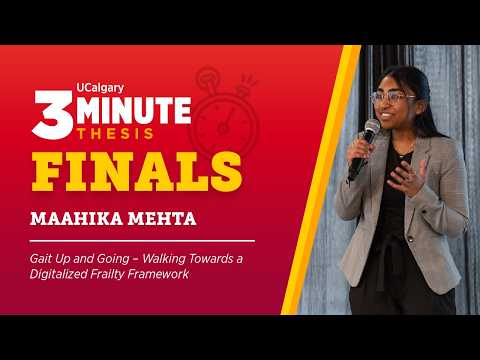
This research examines whether changes in walking patterns can predict frailty before serious health events occur. Using smart insoles, GPS tracking, and machine learning, mobility data from older adults is analyzed to identify early warning signs of decline. The goal is to enable proactive interventions and support healthier aging.
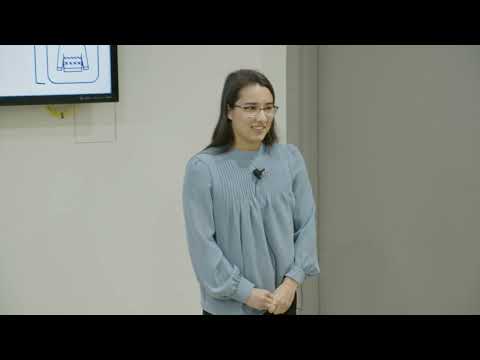
This research examines how older adults manage indoor environmental conditions while aging in place. It highlights the importance of “adaptive opportunities,” such as adjusting surroundings or behavior, and identifies barriers like mobility and cost. The goal is to develop practical strategies to improve comfort, health, and independence for aging populations at home.
2025
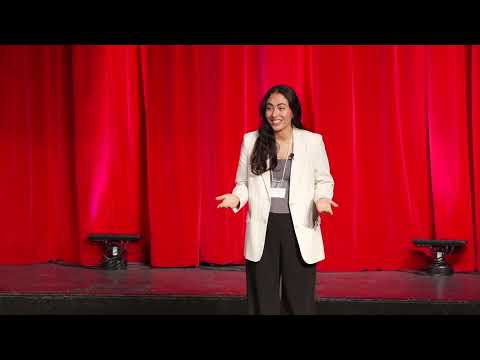
This research adapts fracture prevention guidelines for older adults receiving home care in Canada. By addressing unique risk factors through nutrition, exercise, and medication management, the study aims to reduce falls and fractures, helping individuals age safely at home and maintain independence for longer.
2025
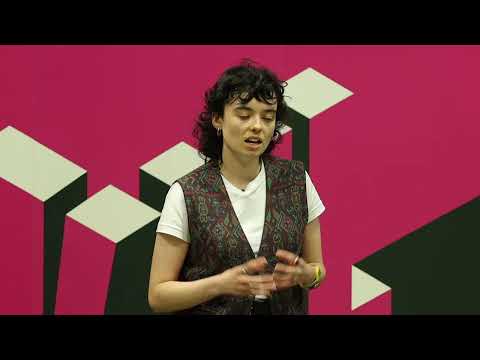
This PhD develops and evaluates an intergenerational dance program to address age-based social division. Through reviews, co-design, and pilot testing, it shows dance can reduce ageism and foster connection. A forthcoming feasibility trial will assess impacts on physical activity, social connection, and inclusion.
2025
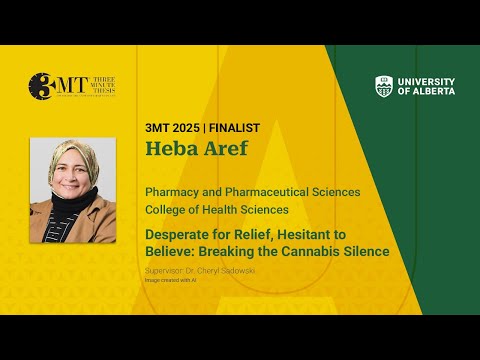
Older adults with severe joint pain often consider cannabis, yet receive little guidance from physicians who lack reliable evidence. This silence pushes patients toward unregulated products and poor medical decisions. The research develops a user-friendly cannabis decision-support tool to empower patients, support clinicians, and enable informed, safe conversations about cannabis use.
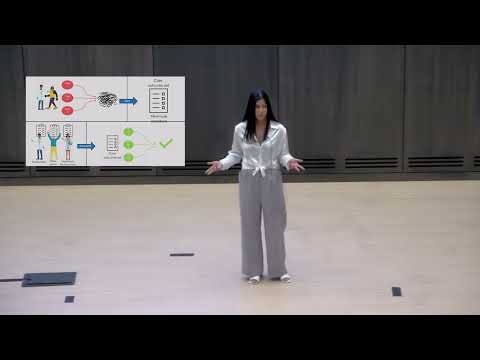
This research creates a core outcome set for clinical trials of physical activity in older adults. Because trials currently measure inconsistent outcomes, evidence cannot be easily combined. Using a multi-round expert and stakeholder survey, the project will establish essential outcomes to reduce research waste, improve knowledge synthesis, and strengthen healthcare decisions.
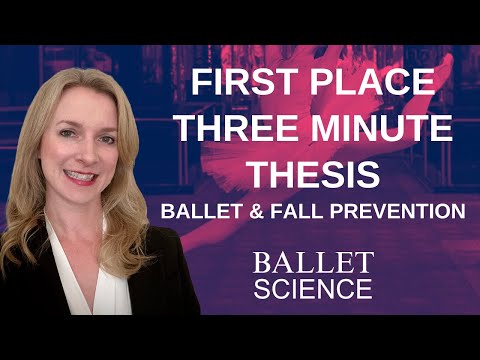
This research investigates whether ballet training can reduce fall risk in older adults. Comparing dancers to non-dancers during unexpected slips, ballet-trained participants showed better stability, faster muscle responses, and fewer falls. The project aims to develop a validated ballet-based fall-prevention syllabus that could significantly improve independence and reduce healthcare costs.