Toxoplasma gondii is a widespread parasite introduced to New Zealand via cats and increasingly threatens native wildlife. This research conducts the first national survey of toxoplasmosis in native birds, identifying infection prevalence, affected organs, and ecological risk factors to better understand its impact on biodiversity.

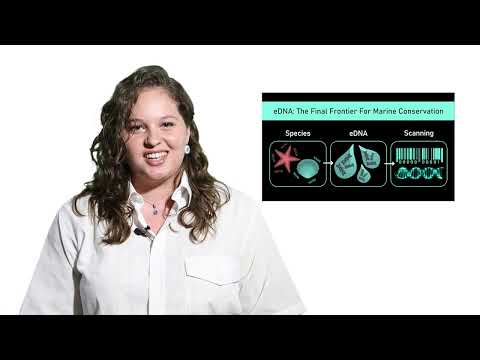
This research shows how environmental DNA (eDNA) can rapidly and sensitively detect marine species threatened by climate change. By analysing seawater samples, the study identified over 18,800 species and revealed fine-scale ecological shifts. eDNA offers a powerful, scalable tool to monitor coastal ecosystems and protect vulnerable species as environmental conditions worsen.

This research provides the first-ever map of the honeybee gut protein interactome to understand how the parasite Nosema disrupts bee health. By isolating gut protein interactions and identifying them via mass spectrometry and computational analysis, the project uncovers how infection alters essential networks, paving the way for targeted, safer treatments for honeybee disease.