This dissertation develops brain-charting methods to support precision psychiatry and neurology by measuring how an individual’s brain differs from population norms. Using normative modelling, it replaces conventional case-control averages with personalised deviation scores across age and disease progression. The research introduces warped normative models for non-Gaussian imaging data and multivariate extreme-value methods for identifying unusual patterns across brain regions. Applications to rare copy-number variants and Parkinson’s disease reveal individual differences obscured by group averages. The defence also examines longitudinal monitoring, environmental influences, resilience, ethics, stigma and clinical implementation, while emphasising that brain deviations alone cannot define pathology or determine treatment.
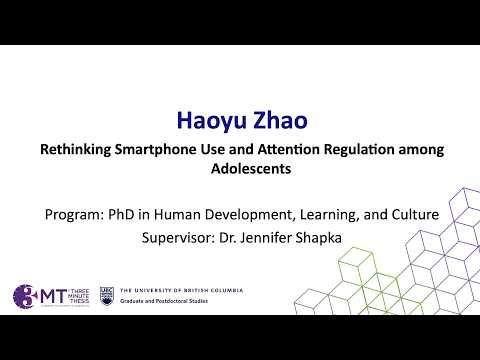
This study examined more than 2,000 adolescents to explore how habitual smartphone use affects attention. While frequent habitual use predicted poorer attention regulation, smartphones also fulfilled psychological needs for competence, autonomy, and relatedness, which partially protected against these effects, suggesting that how adolescents use smartphones matters as much as how often.
This research investigates how loneliness affects brain function across adulthood. Using brain imaging, it identifies age-related differences in activity within the caudate, a region involved in social reward processing. The findings suggest loneliness alters how people perceive social interactions, supporting the development of personalized, age-appropriate interventions to reduce chronic loneliness.
This research explores how early-life stress alters the gut microbiome and its communication with the brain, challenging the traditional "leaky gut" theory of anxiety. Using a comprehensive, lifespan-wide approach, it identifies a potential new mechanism that could enable more personalized treatments for patients who do not respond to current anxiety therapies.
This research developed NanoX, a nanoscale fluorescent sensor that images oxytocin release from individual neurons in real time. By revealing patterns of brain chemistry associated with mental health disorders, the technology could enable earlier diagnosis, improve understanding of neurochemical signaling, and support both preventive and personalized mental healthcare.
This thesis examines who turns to AI for mental health support, rather than whether AI can be a therapist. Drawing on TherapyGPT forum analysis and ongoing experiments, the research identifies fear of judgment, trust in AI and past therapist failures as possible drivers of AI therapy use.
This anthropological research investigates traditional medicinal uses of psilocybin mushrooms in Lesotho. Interviews with local healers revealed treatment practices that differ substantially from Western clinical models, including low-dose administration over extended periods and applications for epilepsy and psychosis. The findings may broaden future directions for psychedelic medicine research.
This research develops automated tools to identify psychedelic-inspired compounds that restore lost neural connections associated with depression, anxiety, and addiction. Using advanced imaging and custom analysis software, the project screens potential therapeutics that promote neuronal growth, aiming to create treatments that repair brain circuitry rather than simply managing symptoms.
This study explores how mindfulness can support student-athlete well-being in high-pressure sporting environments. Through interviews, course analysis, and coaching reflections, the research found that mindfulness strengthens personal agency, emotional regulation, and holistic self-identity. The findings informed the development of a mindfulness-based curriculum for athletes and coaches.
This research investigates whether zinc plays a critical role in the ability of psychedelic drugs to reopen social reward critical periods in the brain. Using mouse models, the study examines how zinc influences social behavior following psychedelic treatment, potentially revealing mechanisms of brain plasticity relevant to autism, social anxiety, and social connection.
Pagination
- Page 1
- Next page