
This research investigates how AI-generated dating profiles influence romantic attraction. An experimental study found that people were less willing to date someone they believed had used AI than someone who received similar help from a friend, suggesting AI-assisted dating may undermine authenticity and reduce social appeal despite its growing popularity.

This research explores how buy now, pay later services are becoming normalised among young consumers in the UK. The study examines how marketing, checkout integration, and psychological framing shape perceptions of debt, arguing for stronger regulation, improved consumer protection, and greater financial literacy to address emerging financial risks among younger generations.

Microplastics are increasingly found in human bodies, driven by everyday plastic use such as milk bottles. This research examines why consumers continue choosing plastic and identifies systemic barriers to reusable options. By improving affordability, convenience, and incentives, sustainable choices can become the default rather than the exception.
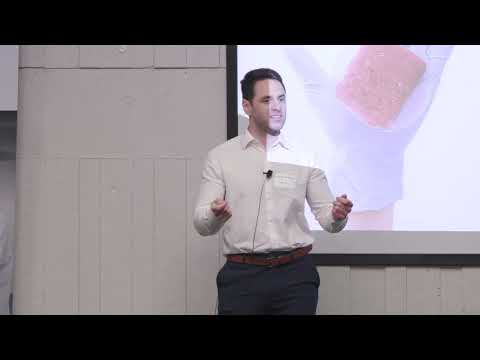
This research uses directional freezing to create realistic plant-based meat textures by forming aligned protein fibres similar to muscle. By improving bite, structure, and consumer appeal, these meat alternatives can reduce environmental impact while offering a sustainable, delicious option. The method is low-cost, scalable, and even possible at home.