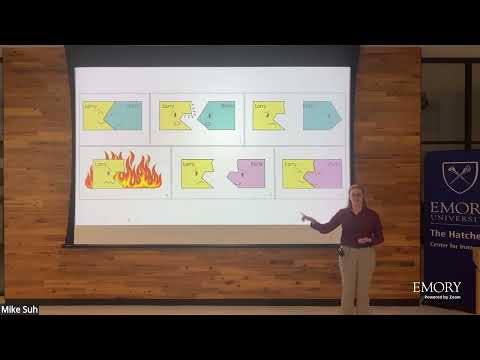
This research investigates how antiviral drug resistance develops by examining structural changes in viral proteins. Using protein crystallography, it identified why SARS-CoV-2 mutations prevent Paxlovid binding and discovered two compounds capable of inhibiting resistant viruses. The findings could guide development of more effective antivirals against future drug-resistant viral infections.
Using a Twilight analogy, this research explains antibiotic-resistant bacteria as “vampires” protected by membranes. By crystallizing membrane proteins and analyzing them with X-ray techniques, the study reveals their structure and function. This enables precise drug design to block these proteins, potentially overcoming antibiotic resistance and targeting harmful bacteria more effectively.
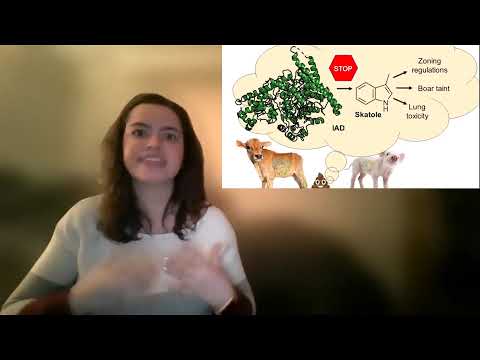
This research identifies and characterizes IAD, a gut-microbial enzyme responsible for producing skatole, a key source of fecal odor. Understanding IAD’s structure and mechanism could help agriculture reduce farm odors, prevent boar taint, and protect cattle health. X-ray crystallography is being used to design inhibitors that block skatole formation.
This research uses directional freezing to create realistic plant-based meat textures by forming aligned protein fibres similar to muscle. By improving bite, structure, and consumer appeal, these meat alternatives can reduce environmental impact while offering a sustainable, delicious option. The method is low-cost, scalable, and even possible at home.

2025
The researcher rebuilds how cells sort materials to understand Alzheimer’s and Parkinson’s diseases. Using proteins and lipids like Lego pieces, they study how a key protein, retromer, malfunctions and disrupts cell transport. With cryogenic electron tomography, they aim to model this process and guide new treatments that restore healthy cellular function.