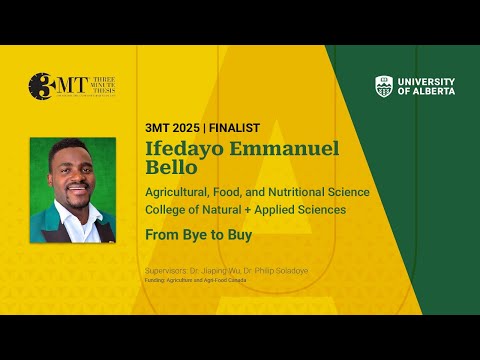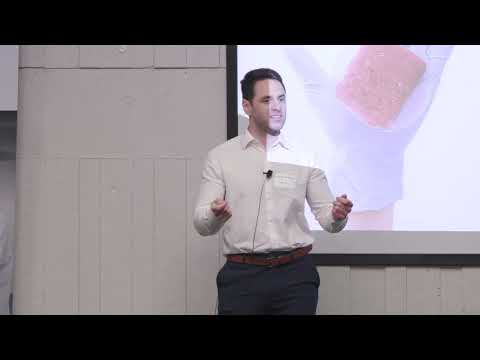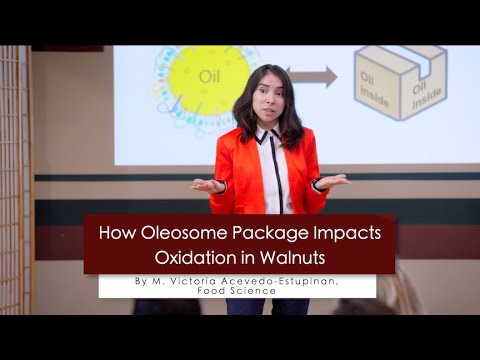
This research tackles Canada’s massive meat-by-product waste by repurposing highly nutritious organs into sustainable, functional food products. Through consumer surveys, protein extraction, and product development, the project aims to shift discarded by-products into valuable ingredients, reducing waste, improving sustainability, and opening new market opportunities for the food industry.

This PhD project investigates why long-life chocolate milk loses its flavour after 28 days. By analysing odor compounds, monitoring flavour changes over six months, and reformulating the product with industry partners, the research aims to create a longer-lasting, better-tasting chocolate milk and a general method for diagnosing and correcting flavour deterioration.

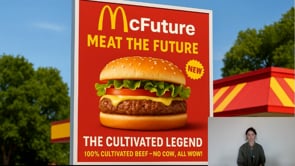
Cultivated meat grows animal cells in bioreactors to produce real meat without slaughter. Although approved in several countries, high production costs limit widespread availability. This research targets the genetic pathways controlling cell growth to improve efficiency and lower costs, aiming to make affordable cultivated meat widely accessible and environmentally sustainable.

This research uses directional freezing to create realistic plant-based meat textures by forming aligned protein fibres similar to muscle. By improving bite, structure, and consumer appeal, these meat alternatives can reduce environmental impact while offering a sustainable, delicious option. The method is low-cost, scalable, and even possible at home.