This research investigates how wind transports sand across Mars to improve the safety of future space missions. Combining measurements from Earth-based analogue dunes with computational modelling and NASA satellite data, the approach predicts Martian winds and sandstorms with high accuracy, potentially reducing landing risks and supporting future human exploration of Mars.
This research investigates the safety of hydrogen vehicles and refuelling infrastructure using advanced computer simulations of fires and explosions. Findings suggest protective barriers can reduce blast pressures by 60–90%. The work provides evidence for future safety standards, helping enable wider adoption of hydrogen transportation while protecting people, property, and communities.
2026
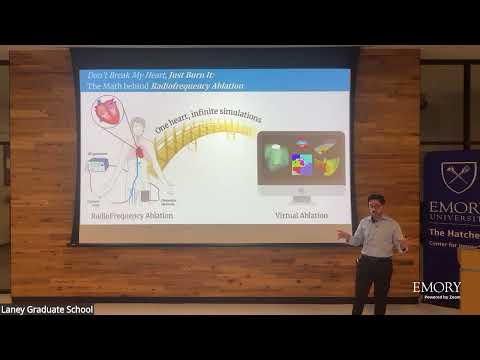
This research develops patient-specific digital twins of the heart to improve radiofrequency ablation for cardiac arrhythmias. By simulating heat transfer, tissue damage, and electrical activity, these computational models could improve treatment accuracy, reduce repeat procedures, accelerate medical device development, and advance the future of personalised cardiovascular medicine.
This research aims to make space travel cheaper by creating reusable rocket engines. Current engines overheat to destructive levels, but simulations show that adjusting the fuel–oxygen ratio can cool them without losing power. By preventing long-term damage, engines can be reused, lowering launch costs and expanding access to space exploration.