
This research develops an algorithmic framework to proactively bundle small transportation projects, increasing contractor competition and reducing costs. Using a decade of Tennessee DOT data, it identifies optimal project groupings and flags combinations that reduce efficiency. Bundling improves value for agencies, contractors, and taxpayers, addressing significant waste in current procurement systems.
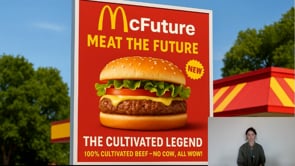
Cultivated meat grows animal cells in bioreactors to produce real meat without slaughter. Although approved in several countries, high production costs limit widespread availability. This research targets the genetic pathways controlling cell growth to improve efficiency and lower costs, aiming to make affordable cultivated meat widely accessible and environmentally sustainable.
This research aims to make space travel cheaper by creating reusable rocket engines. Current engines overheat to destructive levels, but simulations show that adjusting the fuel–oxygen ratio can cool them without losing power. By preventing long-term damage, engines can be reused, lowering launch costs and expanding access to space exploration.
This research redesigns long wind-turbine blades for low-wind-speed sites by shifting structural strength from the internal spar to the aerodynamic shell. The new “eggshell-like” design reduces bending under the blade’s own weight, requires less material, and lowers costs—helping make wind power cheaper than fossil fuels without relying on political action.