This research shows that children born without a hand can generate complex muscle signals by imagining movements, enabling control of advanced prosthetics. Their abilities develop similarly to typical motor patterns, challenging assumptions and expanding access to sophisticated prosthetic technology for paediatric patients.
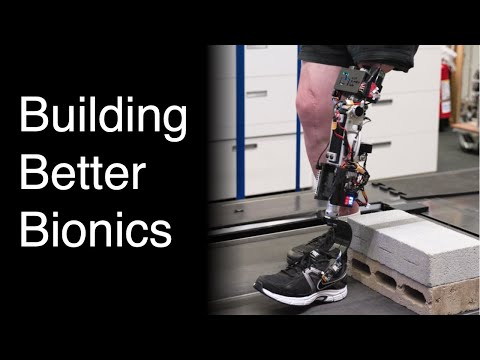
This defense argues prostheses must exchange information, not just energy, with the nervous system. It combines soft-tissue AMI revision, osseointegration with implanted electrodes (OMP), and impedance control to enable continuous powered-knee modulation. Pilot studies show improved neuromechanics, cortical activation, cleaner EMG, better task performance, and greater embodiment versus socket-based approaches.

This research designs bespoke, lightweight 3D-printed breast prostheses for women after mastectomy. Using body scanning and personalised materials, the prostheses improve comfort, symmetry, and fit compared to standard silicone forms. The project aims to help women move from surviving breast cancer to thriving with confidence and comfort.

This thesis introduces Armando, a low-cost soft robotic gripper with proprioceptive sensing using a single flexible capacitive sensor and neural-network decoding. Achieving 99% accuracy, Armando enables precise finger-position estimation for applications in prosthetics, assistive care, and disaster response, advancing accessible tactile robotics inspired by human touch.