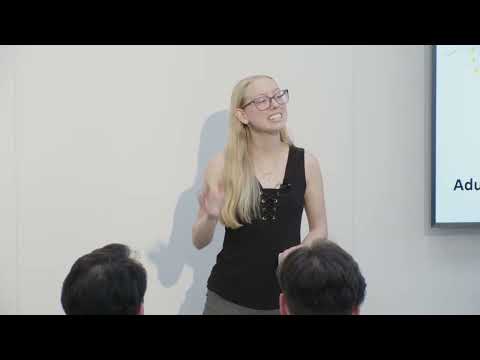
This research shows that children born without a hand can generate complex muscle signals by imagining movements, enabling control of advanced prosthetics. Their abilities develop similarly to typical motor patterns, challenging assumptions and expanding access to sophisticated prosthetic technology for paediatric patients.
2025
This research examines disrupted brain–muscle communication following ACL reconstruction. While surgery restores mechanical stability, sensory deficits remain, causing neuromuscular impairments. By studying real-time neural control during varying muscle contractions, balance, and dual-task conditions, the project aims to improve rehabilitation strategies and reduce reinjury risk through enhanced neuro-muscular coordination.
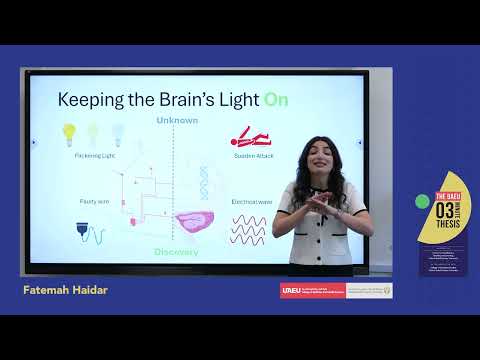
This research investigates episodic ataxia type 1, a rare disorder causing sudden loss of coordination. A genetic mutation triggers abnormal brain firing and electrical waves in the cerebellum. By tracking these waves in mice, the work aims to identify ways to prevent attacks and restore motor control.