This research transforms agricultural waste into biochar-based activated carbon for batteries and supercapacitors. By replacing costly materials, it improves energy storage performance while reducing costs, offering a sustainable and affordable solution that turns waste into valuable resources for future energy technologies.
2025
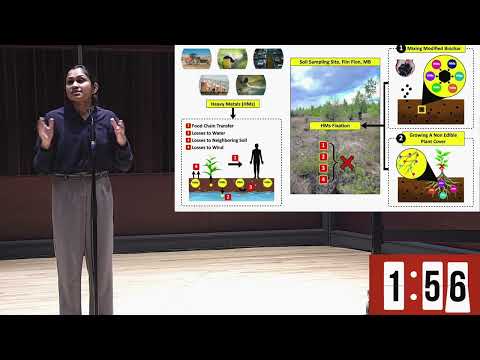
Heavy metal contamination in boreal forest soil particularly by Cadmium (Cd), Copper (Cu), Lead (Pb), and Zinc (Zn) is an environmental issue associated with mining. Heavy metal contaminated soil causes food chain contamination, detrimental effects on humans, contamination of natural waters and impairment of plant growth. Chemical immobilization combined with phytostabilization is a promising remediation strategy of heavy metal contaminated soil. In this technique, various kinds of amendments are added to soil which immobilize heavy metals whereas an established vegetation cover stabilizes heavy metals within the rhizosphere zone. This project will assess the effectiveness of modified biochar as amendments in immobilizing Cd, Cu, Pb, Zn in acidic boreal forest soils with different levels of concentrations. Additionally, it will evaluate the phytostabilization potential of native Canadian grass species to reduce mobility and bioavailability of these heavy metals contributing to development of effective remediation measures in multi-metal contaminated boreal forest ecosystems.

2025
This research tackles nitrous oxide emissions from agricultural soils, a major driver of global warming. By modifying manure application practices—mixing manure into soil or adding biochar—the study enhances soil microbes that consume nitrous oxide, reducing emissions by 60–70% through improved microbial balance and reduced gas escape.