This research investigates how glutamine-rich regions within the LAG-3 protein influence Notch signaling, a critical pathway for cell communication and development. Using CRISPR gene editing, the study found that removing glutamine repeats alters stem cell behavior and cell-cycle progression, providing insights relevant to cancer, Alzheimer’s disease, and future therapies.
This research investigates how glioblastoma brain cancer cells invade healthy brain tissue. Using patient-derived tumor organoids and traction force microscopy, the study measures how cancer cells generate and apply forces to move through the brain. Understanding these invasion mechanisms could help develop therapies that slow tumor spread and improve patient survival.
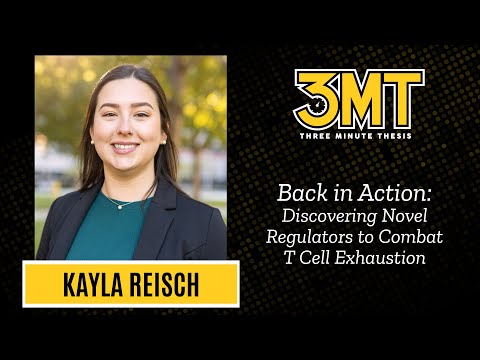
Chronic diseases exhaust the body’s CD8 T cells, weakening their ability to fight infections and cancer. This research identifies CD7 as a key driver of T-cell exhaustion. Removing CD7 keeps T cells active, boosts cytokine production, and improves control of tumors and viruses—offering a promising new immunotherapy target.
This research investigates how T cells influence microglial behavior in Alzheimer’s disease. Using a mouse model, the study found that removing T cells did not alter amyloid-beta plaques but unexpectedly led to healthier microglial activity and reduced myelin damage. The findings suggest T cells may worsen neurodegeneration and reveal new therapeutic avenues.
This research uses a validated rodent model of psychosis to study sensory-filtering deficits linked to schizophrenia. Instead of blocking dopamine D2 receptors, the study uses CDPPB to modulate mGlu5 receptors and reduce D2 hypersensitivity. Treatment restores normal sensory gating, suggesting a promising therapeutic pathway with fewer side effects than current antipsychotics.
My research uses spatial RNA sequencing to map where genes are expressed within tissues affected by chronic inflammatory diseases. By capturing genetic information with precise spatial coordinates, it creates an atlas of disease-driving genes. This deeper understanding may reveal new biomarkers and therapeutic targets, enabling future treatments beyond symptom management.
This research investigates how Plasmodium falciparum invades human red blood cells. By focusing on the neglected role of red cell surface structures, it aims to uncover molecular interactions essential for invasion. Understanding these mechanisms may guide the development of new treatments for drug-resistant malaria, a disease killing a child every minute.