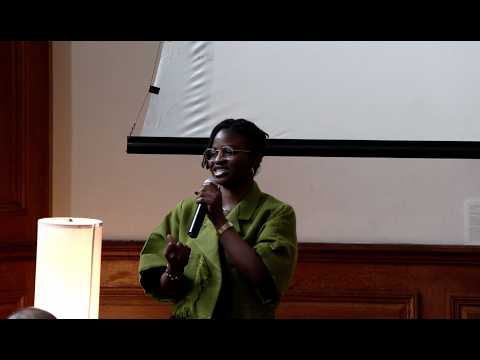
This oral history project explores how Nigerian secondary schools shape political identity, civic engagement, and national belonging across generations. Through interviews and documentary storytelling, the research reveals that schools function as microcosms of the nation, forming students’ relationships to society, politics, and migration in ways that continue long after graduation.
2026
This thesis examines the Soviet AIDS epidemic as a social and political crisis rather than solely a medical one. Through newspapers, diaries, and government documents, the research reveals how AIDS contributed to growing public distrust in Soviet institutions and became part of the broader crises preceding the collapse of the Soviet Union.
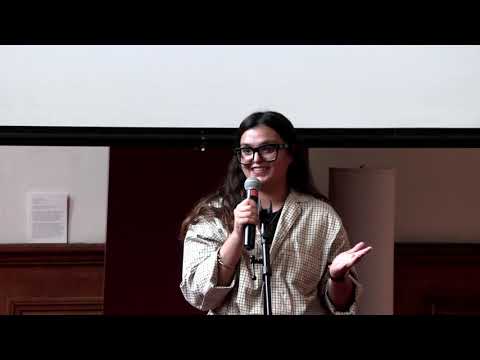
This oral history research explores silence as a meaningful form of communication rather than an absence of speech. Through documentary interviews with family members, the project examines how silence can express fear, shame, power, and agency, challenging dominant assumptions about listening and revealing how discomfort often prevents deeper understanding and connection.
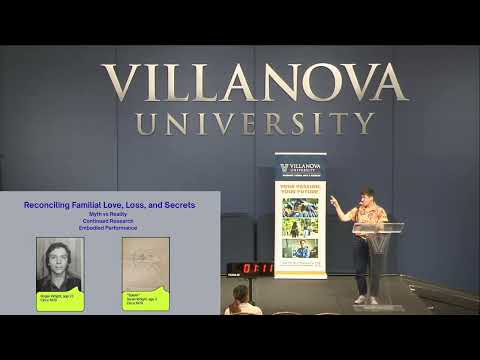
A rediscovered childhood drawing sparked an exploration of a deceased uncle’s life through his writings and letters. The research reveals themes of secrecy, sexuality, and isolation, raising intergenerational questions about identity, family, and belonging. This personal and archival investigation forms the basis of a solo play examining memory, legacy, and self-understanding.
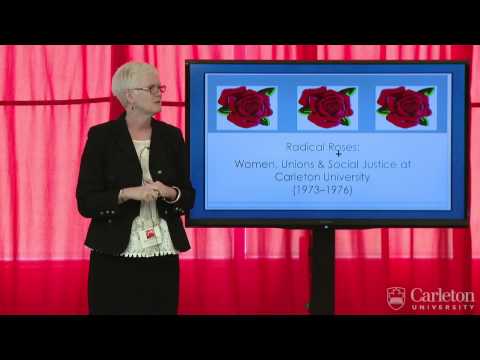
2014
This research reinterprets unionization at Carleton University in the 1970s, showing it was driven not only by economic pressures but by feminist activism. Women leaders used unions to challenge inequality, improve working conditions, and advance social justice, reshaping assumptions about labor movements in professional, white-collar environments.