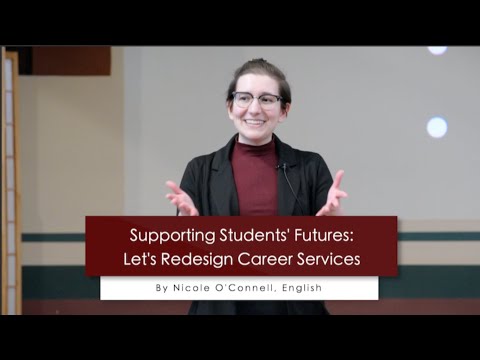
This research examines how universities communicate career advice and support services to students. Through surveys and focus groups at UMass Amherst, the study identifies student needs for less stressful, more inclusive, and more integrated career guidance. The findings inform policy and curriculum improvements aimed at better supporting student futures.
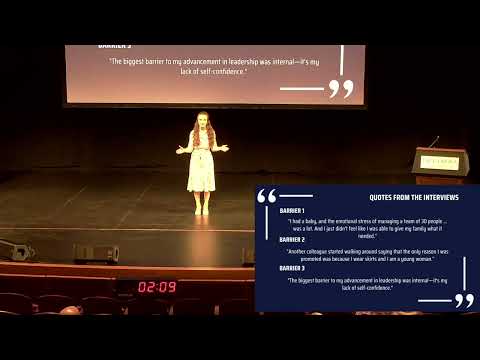
This research investigates barriers preventing women from advancing into leadership roles. Interviews reveal three key obstacles: family responsibilities, persistent gender bias, and internalized expectations of barriers. The study highlights how systemic challenges shape self-doubt and calls for collective responsibility in removing structural inequalities to unlock women’s leadership potential.
Career paths and life patterns are often transmitted across generations not through explicit instruction but through embodied habits and daily behaviors. Analyzing a play about intergenerational military service, this research shows how subconscious routines shape identity, highlighting how recognizing these patterns allows individuals to consciously break cycles or build new legacies.
This research explores how qualified immigrants navigate career transitions after moving to Canada. Through interviews, it finds that initial motivation often shifts to distress due to systemic barriers. Successful immigrants rely on planning and community support, highlighting the need for both career resources and mental health support to enable meaningful workforce integration.