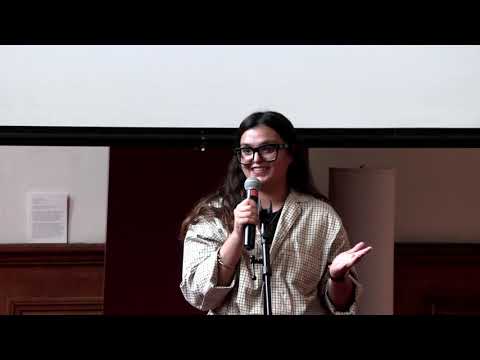
This oral history research explores silence as a meaningful form of communication rather than an absence of speech. Through documentary interviews with family members, the project examines how silence can express fear, shame, power, and agency, challenging dominant assumptions about listening and revealing how discomfort often prevents deeper understanding and connection.
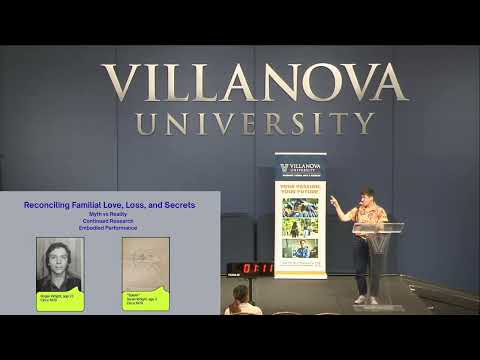
A rediscovered childhood drawing sparked an exploration of a deceased uncle’s life through his writings and letters. The research reveals themes of secrecy, sexuality, and isolation, raising intergenerational questions about identity, family, and belonging. This personal and archival investigation forms the basis of a solo play examining memory, legacy, and self-understanding.
2026
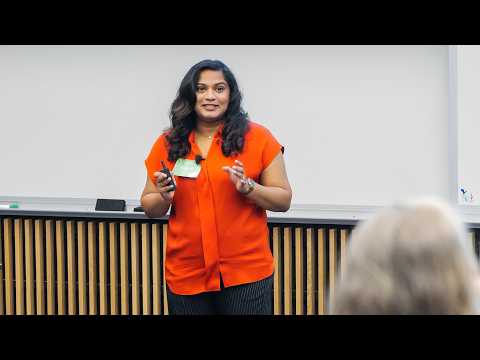
This talk explores emotional resistance to AI through a personal storytelling project. It argues that AI adoption is an adaptive challenge tied to identity, not just technology. Using Robert Kegan’s framework, it demonstrates how testing limiting beliefs can reduce resistance, emphasizing that successful AI integration depends on addressing human concerns about autonomy, competence, and connection.
2025
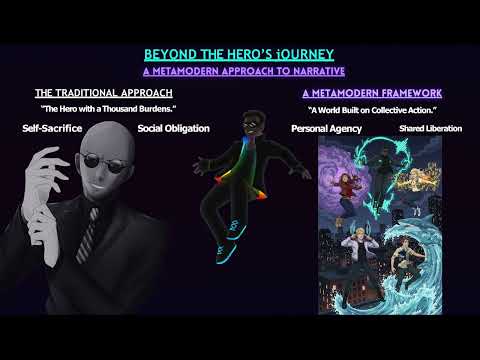
This research argues that traditional self-sacrificing hero narratives no longer fit a complex, modern world. Using an animated screenplay as a case study, it proposes a metamodern approach centered on collective liberation. The work blends critical theory and creative practice to show how contemporary storytelling can inspire collaboration rather than individual heroism.