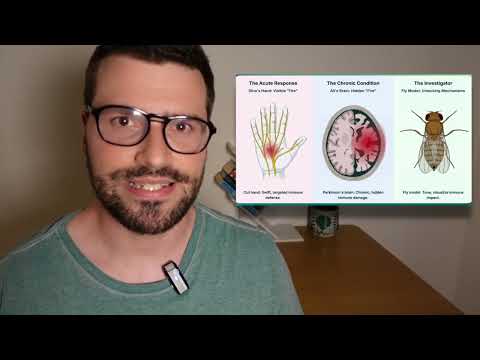
This research explores how immune-related cells and molecules, beneficial in wound healing, may become harmful in Parkinson’s disease. Using the fruit fly as a model organism, the study investigates which inflammatory processes contribute to brain damage. Early results suggest that excessive activation worsens degeneration, offering potential targets for future therapies.

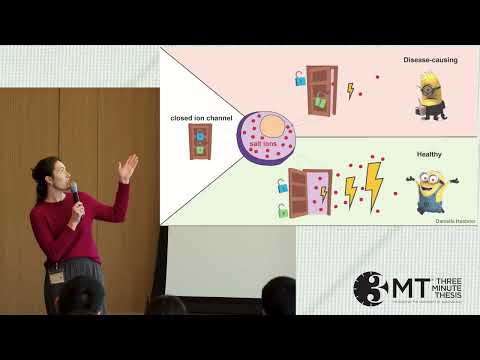
Electrical signals in the body depend on ion channels that regulate salt movement across cell membranes. When these channels malfunction, diseases like epilepsy and heart arrhythmias can occur. This research decodes how faulty ion channels work, revealing potassium-based mechanisms that could restore electrical signaling and guide new therapies.

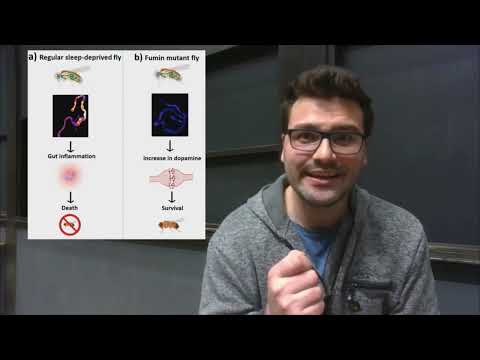
Fruit flies normally die from sleep loss due to lethal gut inflammation. But a mutant “fumin” fly, which sleeps very little, survives without inflammation. This research investigates how altered dopamine processing protects these flies, offering insight into why sleep is essential and how sleep loss contributes to disease.

This research introduces a computational method that detects up to one trillion RNA viruses hidden in standard RNA-sequencing data. By targeting protein signatures shared across all RNA viruses, the approach reveals viral RNA that previously went unnoticed. This enables large-scale viral discovery, tracking, and potential breakthroughs in understanding disease mechanisms.

This research provides the first-ever map of the honeybee gut protein interactome to understand how the parasite Nosema disrupts bee health. By isolating gut protein interactions and identifying them via mass spectrometry and computational analysis, the project uncovers how infection alters essential networks, paving the way for targeted, safer treatments for honeybee disease.

My research uses spatial RNA sequencing to map where genes are expressed within tissues affected by chronic inflammatory diseases. By capturing genetic information with precise spatial coordinates, it creates an atlas of disease-driving genes. This deeper understanding may reveal new biomarkers and therapeutic targets, enabling future treatments beyond symptom management.